
Search Utah Obituary Records
Utah obituary searches usually begin with a name, a date, or a place. From there, the trail can move through death certificates, newspaper notices, burial files, and county or city records. Some searches stay close to the state office. Others move quickly into archives or local health departments. This page brings the main Utah obituary sources together so you can move from a broad question to a practical record path without losing time on scattered searches.
Utah Obituary Quick Facts
Where to Find Utah Obituary Records
When a search starts with a recent death, the Utah Office of Vital Records and Statistics is often the first stop. The office page at Utah Office of Vital Records and Statistics explains how to request a certified death certificate, and the same office anchors many Utah obituary searches that need a formal record instead of a newspaper notice. That matters when a family needs proof, not just a mention.
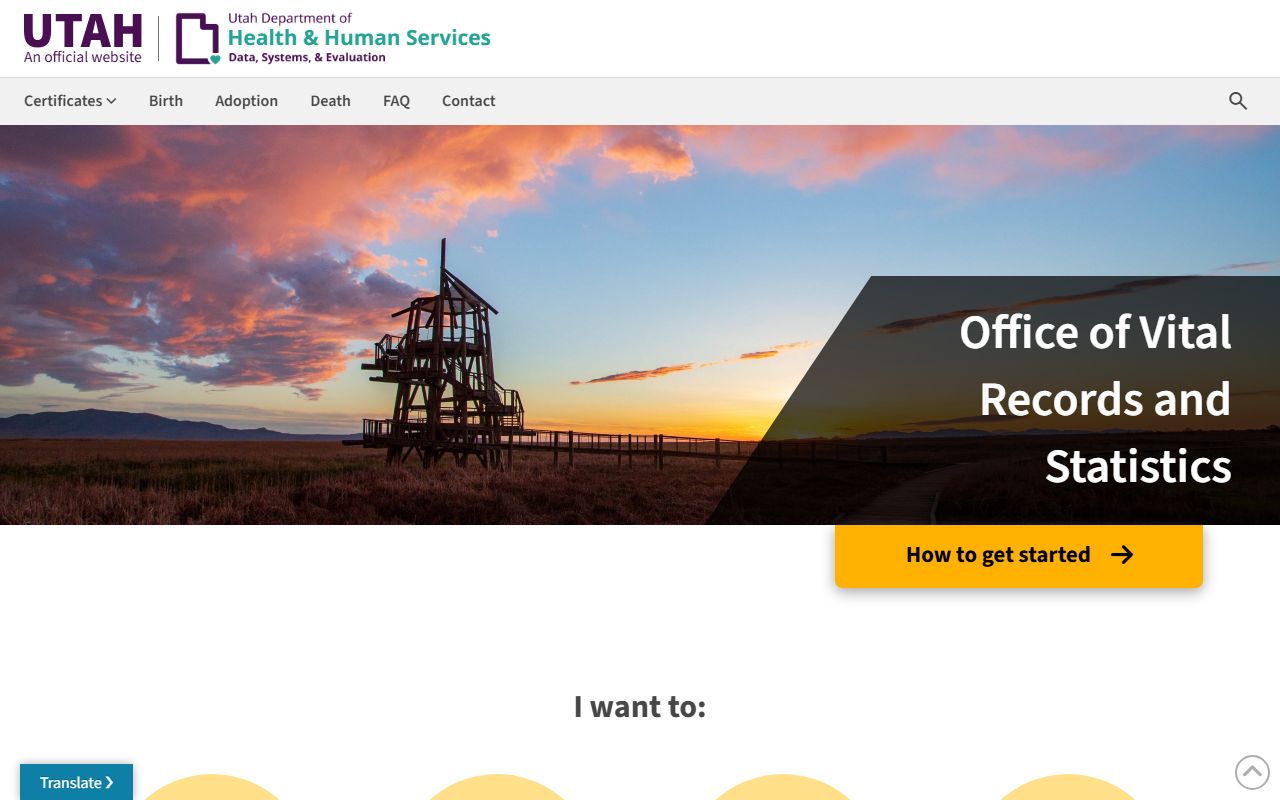
The state office is useful because it keeps the search focused. If you have the name but not the exact death place, the office still gives you a clear place to begin. A Utah obituary search can move from a death certificate to a newspaper notice, then to a burial record or family note. That sequence is often the fastest path when the first clue is only partial.
Older deaths often shift the search away from current requests and toward archival tools. The Utah State Archives death certificate index covers 1905 through 1967 and includes digitized images. That makes it one of the strongest starting points when a Utah obituary search needs both a name match and a direct record image. It also helps when a family wants a paper trail that goes back beyond the modern certificate request process.
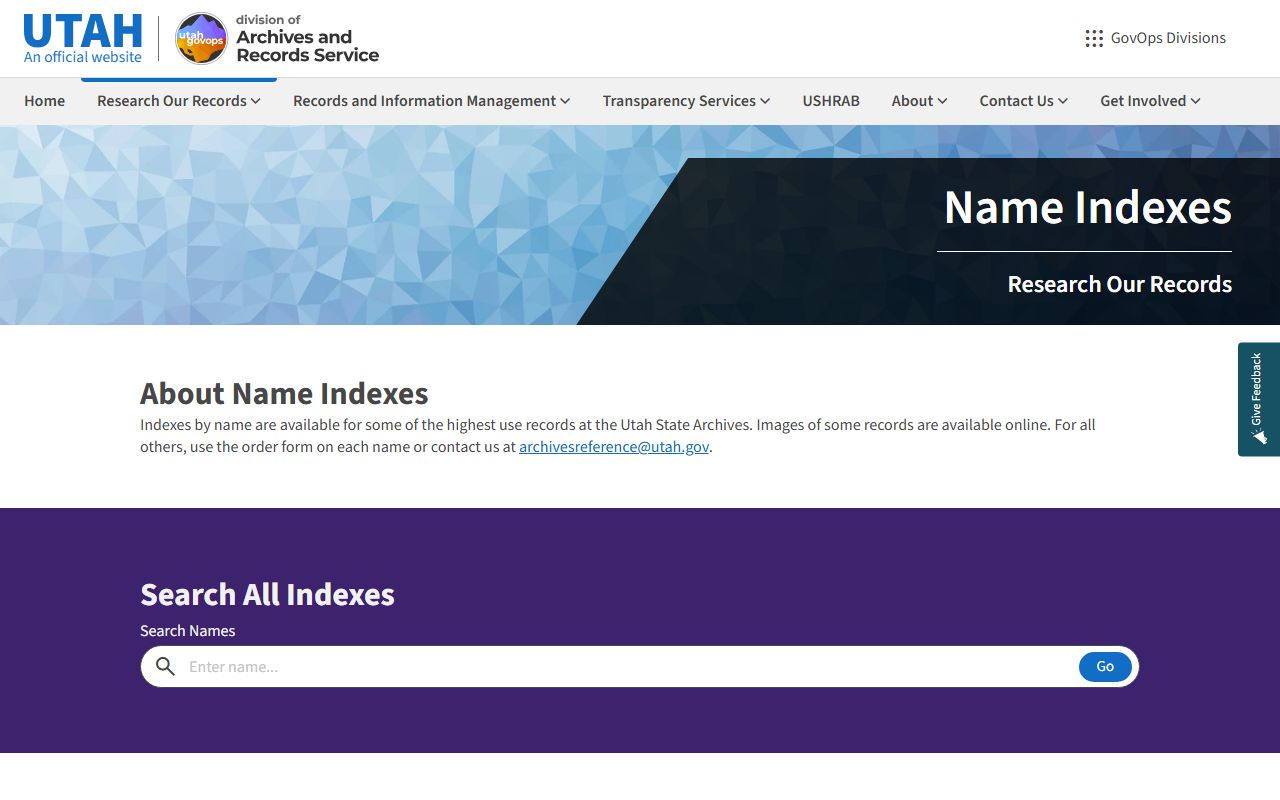
Once you have an archive hit, the next step is usually to compare it with a newspaper notice or cemetery entry. That cross-check keeps the search clean. It also shows whether the spelling, the date, or the place changed in later records. Utah obituary work gets easier when the first record is treated as a lead, not the final answer.
Utah Obituary Newspapers
Newspaper notices still matter in Utah obituary research because they often add the names that a death certificate does not show. The archive at Utah Digital Newspapers is one of the best statewide places to look for death notices, funeral notices, and short memorial items in papers such as the Deseret News, the Salt Lake Tribune, the Standard-Examiner, and the Daily Herald. Those notices can give you a date, a hometown, or a family link that unlocks the rest of the search.
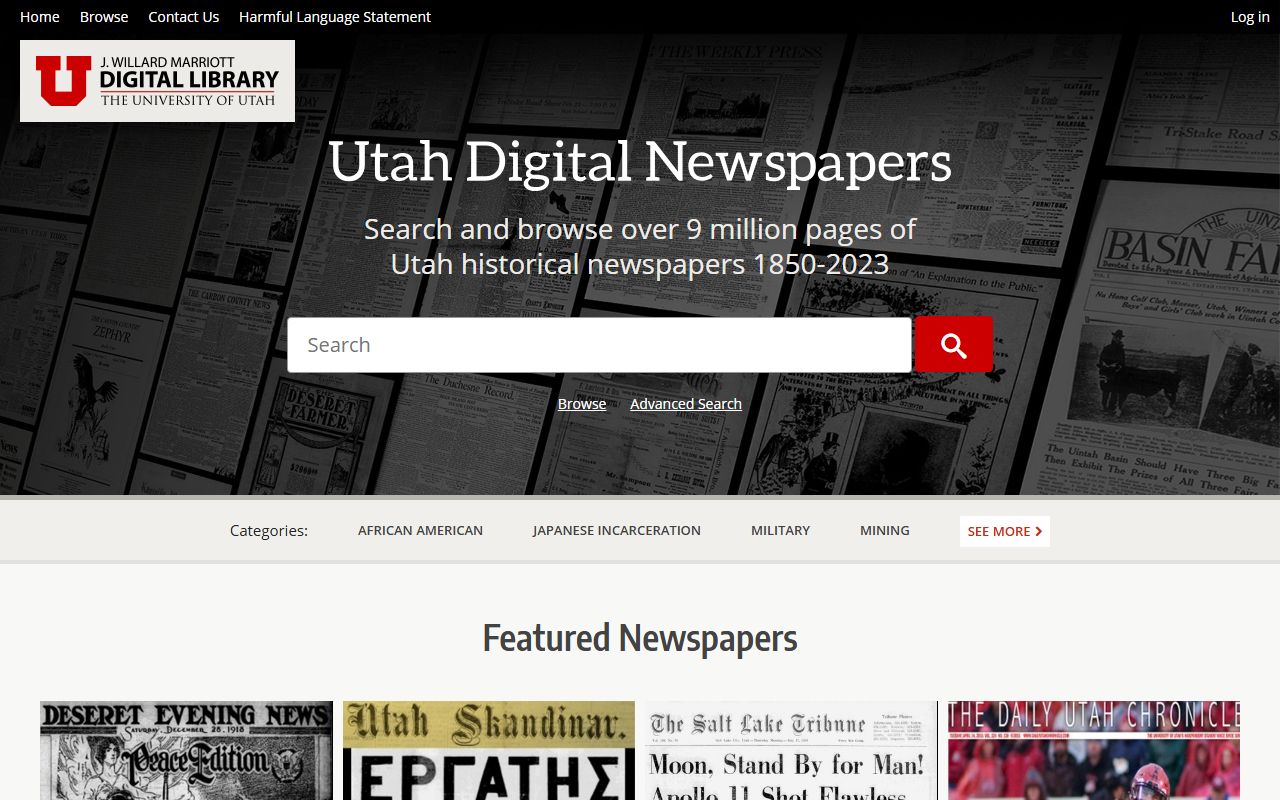
Obituary notices in newspapers are especially helpful when a death certificate is not enough. A short article may include a spouse, an occupation, or a burial location that never appears in the state file. That is why many Utah obituary searches work best when the newspaper check comes early, not late. One notice can point to the exact county, city, or church the family used.
The CDC's Where to Write page for Utah is another useful visual reminder of where death records are routed. It helps confirm which office handles a request and why local offices, state offices, and archive searches can all be part of the same Utah obituary trail. When the death was recent, that routing detail matters even more because the record may still live with the office that issued it.
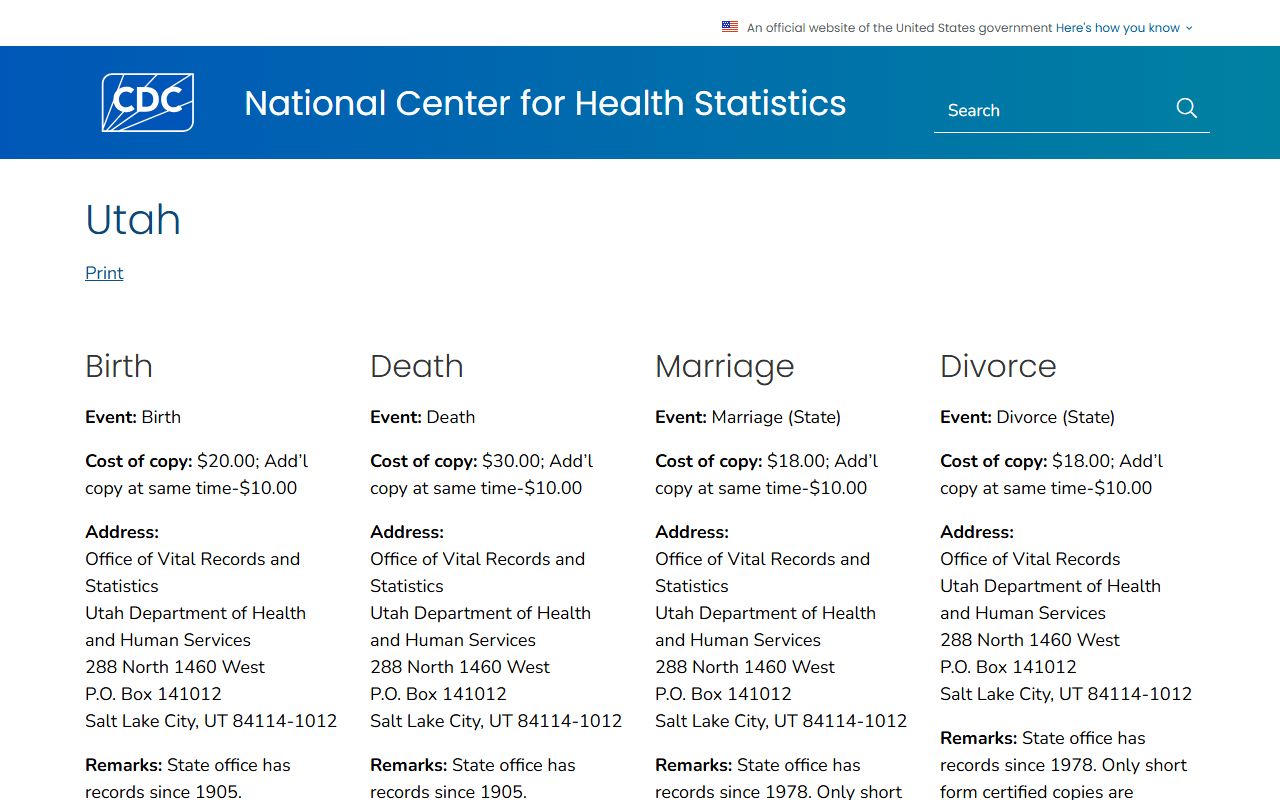
For a state-level obituary search, newspaper notices and office routing should work together. If the newspaper gives you the city, the office route gives you the certificate trail. If the certificate gives you the date, the newspaper may give you the family story. Those two records often answer different parts of the same question.
Utah Obituary Offices
Regional health departments can help when a Utah obituary search needs a local office instead of a statewide search. The page for Weber-Morgan Health Department birth and death records is a good example of how a local office explains request steps, in-person help, and the records it keeps. That kind of local guidance is useful when a family knows the county better than the state process.
Local offices often matter because Utah obituary searches are not always statewide in practice. A family may have lived, died, or been buried in one county while the newspaper ran in another. That is why county health offices and city histories still deserve a place in the search. They can confirm the place name, the filing path, or the office that kept the original record.
Salt Lake County is another strong local example. Its vital records page at Salt Lake County Health Vital Records shows how a county office can support a Utah obituary search that needs a local certified copy or a direct request route. County offices are often the fastest fit when the death happened close to home and the family wants a direct office answer.
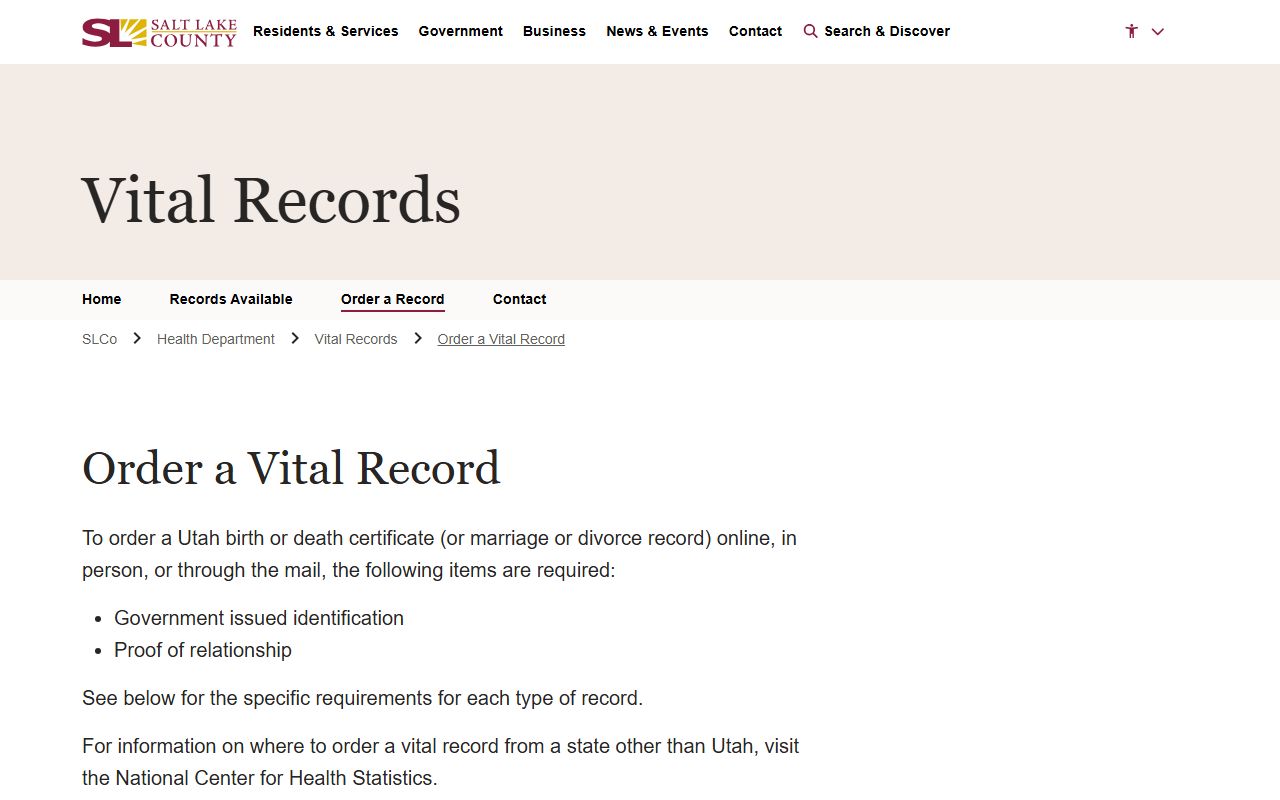
Farther north, the Bear River office gives another regional model. The page at Bear River Health Department vital records is useful when a Utah obituary search reaches a local office in the Bear River area and needs a clear request route. Regional offices matter because they show how Utah record access is spread across the state, not concentrated in one desk.
These county and regional pages help narrow the search. They are most useful when you already know the likely place, but not the exact office. A Utah obituary search often gets better once the county name becomes clear. Then the office, the archive, and the newspaper can all point in the same direction.
Public Access for Utah Obituaries
Public access matters because many Utah obituary searches begin with a simple question about whether a record can be seen, copied, or requested. The statewide burial index at Utah Cemetery and Burial Database is one of the most practical tools for that kind of work. It can connect a name to a burial place, and that clue often leads straight to a newspaper notice or a family plot.
Utah's open-record framework also gives the search a legal backdrop. The GRAMA chapter at Utah Code Title 63G, Chapter 2 is the law families usually run into when they need to know why one record is open and another stays limited. For obituary work, that usually means the process is more about finding the right office and the right format than fighting for basic access.
The Utah Division of State History at history.utah.gov can also help when the search moves beyond a single certificate. It supports local history work, and local history often fills in the missing pieces around a death notice, a burial place, or a family line. That is why it fits naturally into a statewide Utah obituary page.
Southwest Utah Public Health shows how regional record access works in practice. Its records page at Southwest Utah Public Health records is useful when a Utah obituary search needs a local office in the southwest region and not just a statewide contact. Regional pages matter because they can make the search feel direct, simple, and grounded in the right county.
TriCounty Health gives another useful regional path. The page at TriCounty Health Department vital records is especially helpful when the search needs a nearby office for a death record, a certificate question, or a local request step. It keeps the search close to the place where the record was likely handled first.
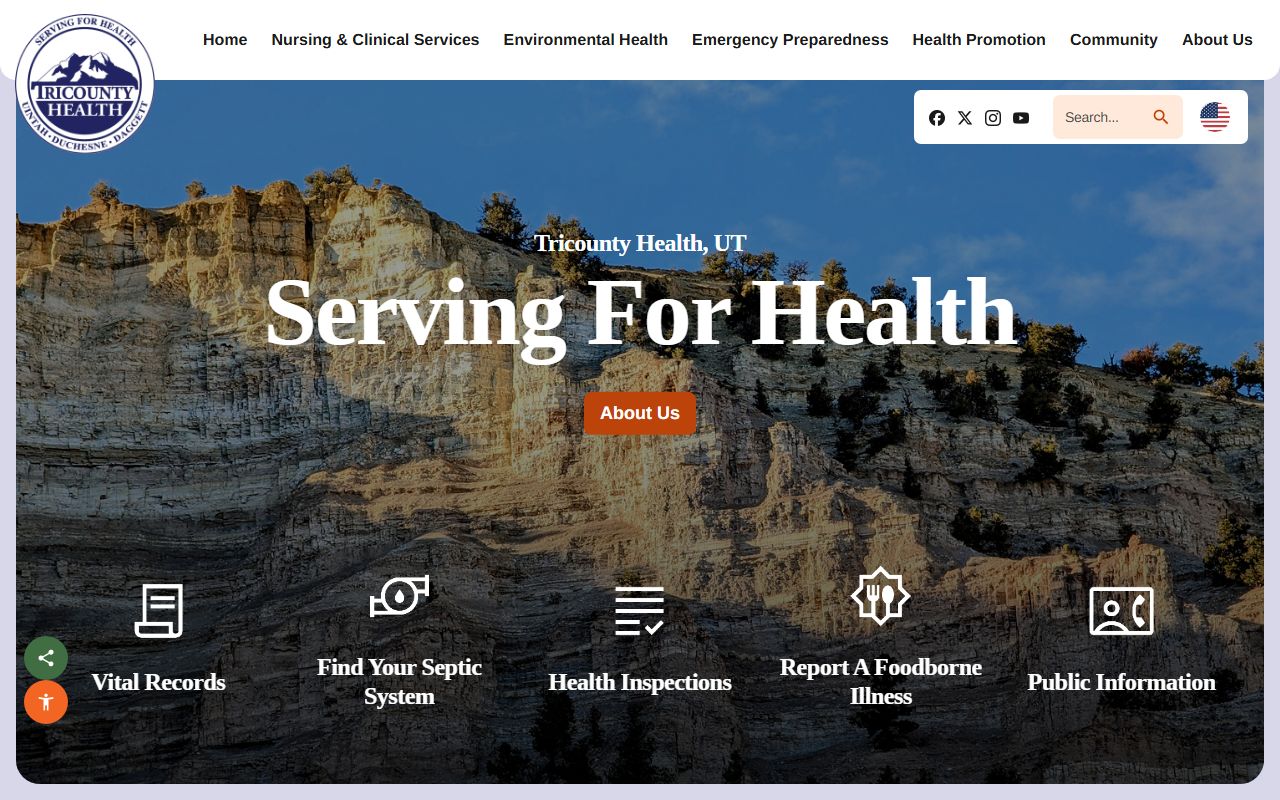
Those public-record tools and local offices work best together. Burial databases show the place. GRAMA explains the access frame. State history and regional health departments help fill in the practical route. A Utah obituary search usually moves faster once those pieces are lined up in the same order.
Getting Utah Obituary Copies
When a Utah obituary search turns into a request for a copy or a guide, FamilySearch can fill in useful background without pulling you away from the official record trail. The guide for Utah Death Certificates helps explain how Utah death records fit into the larger search pattern, especially when the name appears in more than one source.
Another useful guide is How to Find Utah Death Records. It is handy when you have a hometown, a county, or a family line, but not yet the exact certificate reference. That kind of guide keeps the search practical and stops it from becoming too broad too soon.
The related Utah Vital Records guide can also help compare state coverage with county and city research. It gives the search a clearer shape. Once you know whether the record belongs to a state office, a county health department, or an archive index, you can choose the fastest next step and avoid duplicate requests.
For recent death certificates, the Utah Office of Vital Records and Statistics is still the main office to know. For older research, the archive index and newspaper sources may answer faster. For local follow-up, county and regional health offices can help keep the request close to the place that handled it first. A good Utah obituary search uses all three layers in a sensible order.
Browse Utah Obituary Records by County
Use the county pages when you know the place but not the office. Each county page points to Utah obituary and death record paths that fit that local area.
Browse Utah Obituary Records by City
Use the city pages when a hometown, newspaper market, or local office gives you the best clue. The city links below cover every listed Utah location on this site.