
Morgan County Obituary Research
Morgan County obituary research works best when you start with the county seat, then move into the health office and archive trail with a steady pace. Morgan County was established in 1862, and that older county history can matter when a notice gives only a surname or a short place clue. A clean search begins with the name, a likely year, and one local office that can confirm the death path. In Morgan County, the clerk and the Weber-Morgan Health Department give that search a practical shape. Together, they help turn a short obituary into a record trail you can trust.
Morgan County Quick Facts
Morgan County Obituary Sources
The image below comes from the Weber-Morgan Health Department vital records page, the county-linked office that handles death certificate requests for Morgan County residents. That office is the most direct local path when an obituary gives you a death date but not the certified document.
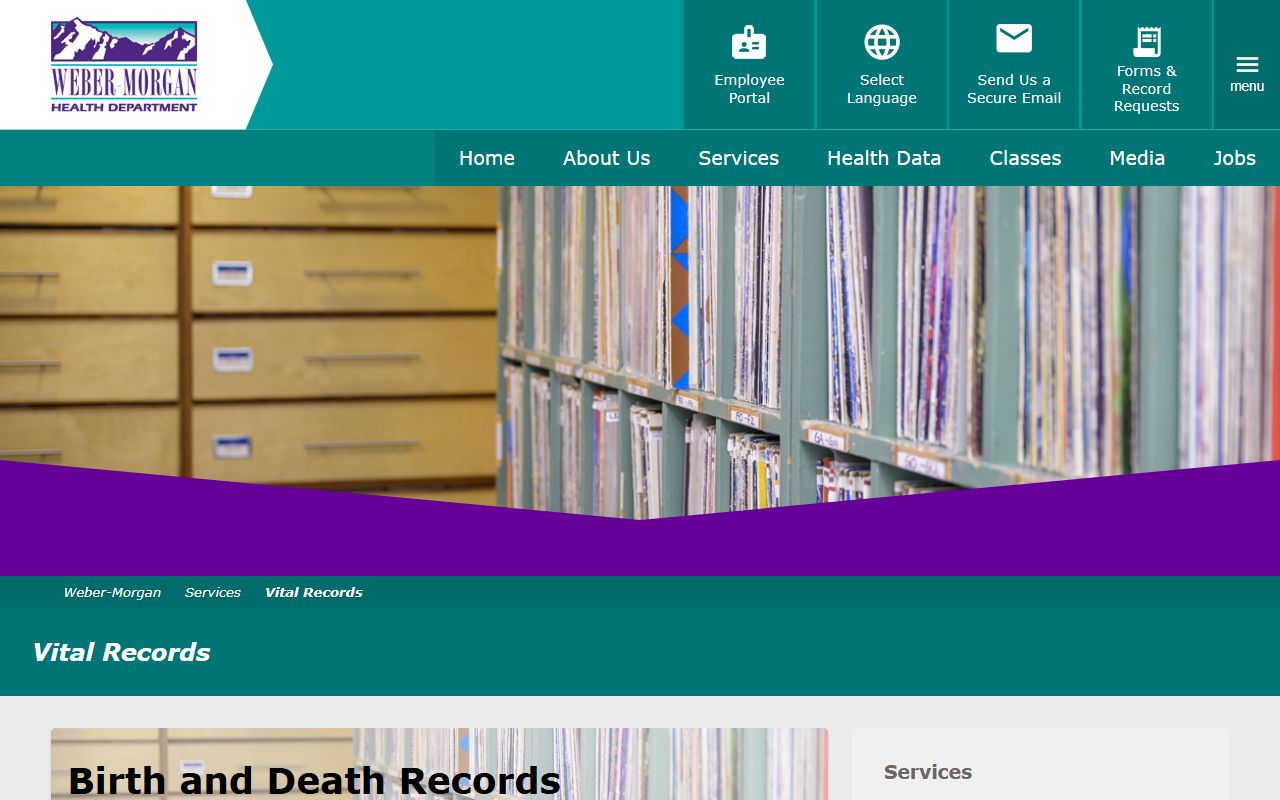
That office matters because it serves Morgan County by appointment, and the research notes point to 801-399-7155 for scheduling. It also confirms that the Ogden office helps Morgan County residents, which gives the search a second local path when travel or timing is tight.
The county clerk page at Morgan County Clerk/Auditor is the other key starting point. County clerk records do not replace an obituary, but they help fix the family name, the marriage line, and the county seat connection. Those clues often solve a search that looked vague at first glance.
Morgan County Obituary Records
Morgan County record work gets easier when you keep the county seat in view. Morgan is the seat, and the county office trail is compact enough to stay manageable. That is useful when a death notice is short, because a short notice can still lead to a stronger match if you move from the clerk to the health department and then to the archive record.
The Utah State Archives death certificate index at archives.utah.gov/research/indexes/20842.htm is the statewide backstop for Utah death records from 1905 forward. It is especially useful when the obituary gives only an approximate year or when the family story spans more than one town. Search by name, county, and year to keep the result list tight.
The Utah Cemetery and Burial Database can add the burial side of the story. A cemetery entry may show a burial date, a plot, or a spouse link that the obituary left out. In Morgan County, that kind of detail can confirm that you found the right person before you request a certified copy.
Local history resources can help when the obituary is old or the family is hard to track. Burial entries and newspaper notes often give a place name that newspaper text alone does not provide. The county and the state work best when you use them together, not one at a time in isolation.
Finding Morgan County Obituary Records
Newspapers still matter because they capture the details that a certificate cannot. Utah Digital Newspapers can surface death notices, funeral notices, and short obituary items that tie a Morgan County name to a date or a church. That is useful when the family moved or when the obituary used a nickname instead of the legal name.
Morgan County searches often improve after the first pass. The same person may appear in a newspaper notice, a burial listing, and a clerk record under slightly different names. A careful search slows that mismatch down and makes it easier to sort the right person from the near match.
- Full name of the deceased, including maiden names if needed
- Approximate death year or burial year
- Town, ward, or cemetery clue in Morgan County
- Spouse, parent, or child names that can separate similar people
Those four clues keep the search narrow. They also make the obituary, burial, and certificate records easier to compare.
Public Access for Morgan County Obituary Searches
Utah public-record rules shape what you can see and what you must request. Under GRAMA, many government records are public unless they are private, protected, or sealed. That is why obituary notices and burial entries are often easy to inspect, while some parts of a death file still require a more direct request.
The state office at Utah Office of Vital Records gives Morgan County researchers a statewide backup when the county office is not the best fit. That path matters if you need to confirm the request form, compare ordering options, or work from a file that is not tied neatly to one local office. The state office keeps the process organized when the county record trail is only part of the answer.
The state office and the county office work as a pair. That keeps the request path clear when the obituary is only one piece of the record trail. When the goal is an obituary match, a simple check saves time.
Getting Morgan County Copies
If you need a certified copy rather than a notice, the Weber-Morgan Health Department is the local place to start. The department serves Morgan County by appointment, and the Morgan County research notes point users to the health department as the death-certificate route. That makes it the right office when a family already has the obituary but still needs the official document.
Keep the request clean and specific. Use the full name, a likely date, and any family clue that helps the office match the file. If the obituary gave you a cemetery name, include it. If it gave you a spouse or parent, include that too. Small details make a big difference when several people share the same surname.
The Ogden office also serves Morgan County residents, so the search does not end if the local appointment time is awkward. That extra option can be useful for families who want an in-person path and do not want to rely only on mail or a statewide order. It is a practical backup, not a different record system.
More Morgan County Obituary Help
Morgan County obituary work is strongest when you move in order. Start with the notice, check the cemetery side, then ask for the certificate if you still need the official record. That sequence keeps the trail tight and helps you avoid a wrong person or a wrong year. It also fits the way Utah records are arranged, where one source often points to the next.
If the first search falls short, widen the year range and try a second family name. Obituaries often use a married name in one place and a maiden name in another. A second pass through the newspaper and the burial database usually finds the missing clue. In Morgan County, that is often enough to settle the record without guesswork.
When the county and the state both matter, use them both. The clerk gives you a family anchor, the health department gives you the certified path, and the archives help with older records that are not easy to read from one file alone. That is the most reliable way to handle Morgan County obituary research.