
Rich County Obituary Research
Rich County obituary research works best when you treat Randolph as the anchor and then move outward in a careful order. Rich County was established in 1864, and its record trail is smaller than many Utah counties, which can be an advantage when the notice is short. A name, a year, and one place clue often get you close, but the obituary, the burial entry, and the certified death record are what finish the picture. In Rich County, the clerk and the Bear River Health Department are the most useful local starting points. They keep the search focused and practical.
Rich County Quick Facts
Rich County Obituary Sources
The image below comes from the Bear River Health Department vital records page, the county-linked death-certificate path for Rich County residents. That office is the most direct local step when you already have an obituary and need the certified file to match it.
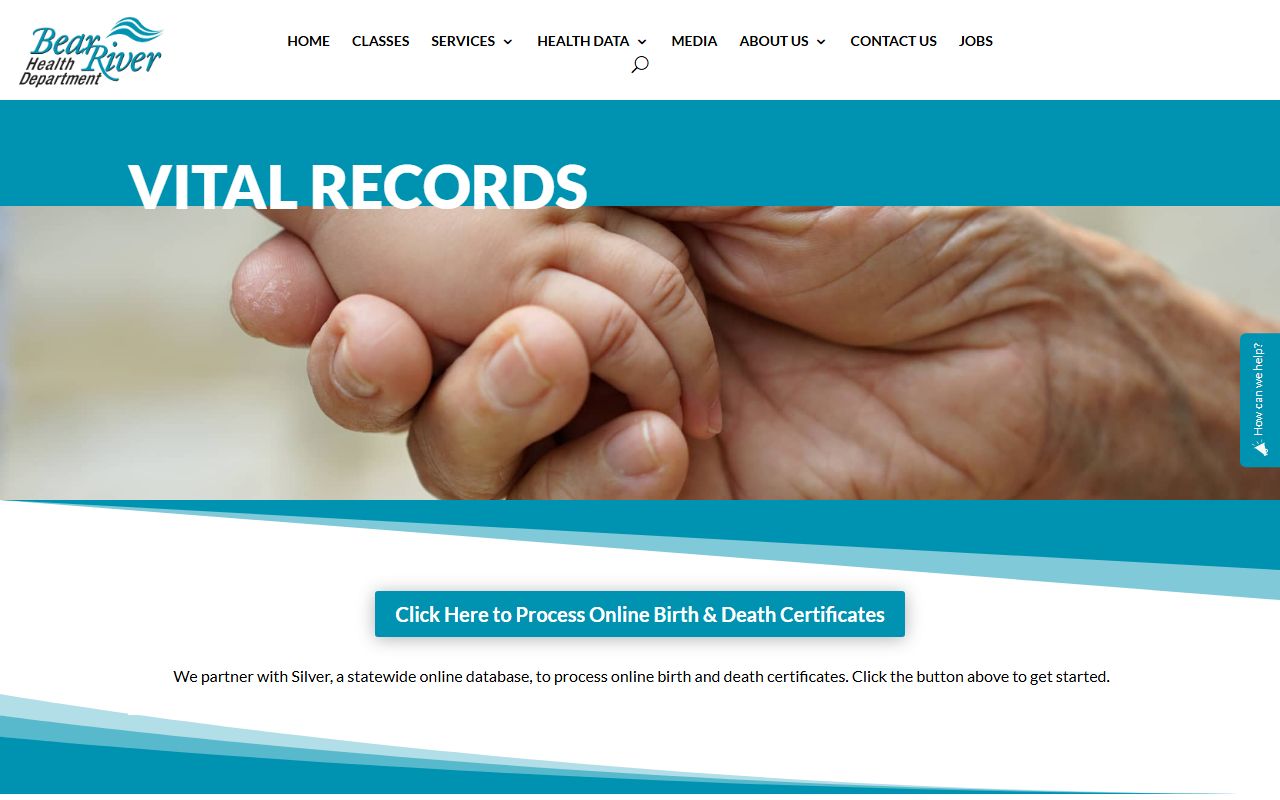
That office matters because Rich County residents can reach vital records through Bear River Health, with Brigham City or Logan office access. In a county as rural as Rich, that flexibility makes a real difference when travel time or office timing gets in the way.
The county clerk page at Rich County Clerk/Auditor is the other local anchor. It helps confirm the county seat, the family name, and the county government trail that sits behind the obituary search. That matters when the notice is brief or when a family line has more than one likely match.
Rich County Obituary Records
Rich County record searches are often cleaner than people expect. Randolph is the county seat, and that keeps the core record trail compact. If you start with the clerk and the health department, you can usually move from a death notice to a death certificate without losing the county connection. That is a good fit for family research and for anyone who is trying to turn a memory into a document.
The Utah State Archives death certificate index at archives.utah.gov/research/indexes/20842.htm gives a statewide route for Utah death records from 1905 forward. It helps when the obituary gives a rough date, when the surname is common, or when the family moved in and out of Rich County. Search by name, county, and year so the result list stays manageable.
The Utah Cemetery and Burial Database is another strong match for Rich County. A burial entry may show a cemetery name, a spouse link, or a burial date that the obituary did not spell out. That extra detail can confirm the right person before you request a copy or cite the record in family notes.
Older burial work still matters in Rich County because a small county can still have many people with the same family name. A cemetery clue can separate those lines faster than a broad name search alone.
Finding Rich County Obituary Records
Newspapers are still one of the best tools for Rich County obituary work. Utah Digital Newspapers can surface death notices, funeral notices, and short local items that link a name to a place. That is useful when the obituary uses a nickname or when the family lived in more than one town before the death.
Rich County searches benefit from patience. The obituary may use a married name, while the burial entry uses a maiden name or an older household form. That is normal. A second pass through the paper search often exposes the small detail that resolves the mismatch.
- Full name of the deceased, including maiden names if needed
- Approximate death year or burial year
- Randolph, Brigham City, Logan, or cemetery clue
- Spouse, parent, or child names that can separate similar people
Those details keep the search focused and help the obituary line up with the certificate and burial records.
Public Access for Rich County Obituary Searches
Public access in Utah is guided by GRAMA. In simple terms, many government records are open, but some items stay private or protected. That means obituary notices and burial entries are often easy to inspect, while the official certificate still follows the normal request path. The rule is clear, but the record trail may still cross more than one office.
The state office at Utah Office of Vital Records is the backup when the county path is not enough or when you want the statewide ordering route. It helps with consistency, especially if you are working from an obituary first and only later need the certified record. A state office can keep the process steady when the local trail is incomplete.
The state guide and the county office line up well when you already know the name and only need the record path. That simple pairing keeps the search on track when the county clue is thin.
Getting Rich County Copies
If you need a certified copy, Bear River Health is the local path for Rich County. The county research notes point to the health department for death certificates, and the office access in Brigham City or Logan gives residents a practical route when they need a formal record. That is the right move when the obituary is already in hand but a certified copy is still needed.
Keep the request exact. Use the full name, a likely date, and any family clue that can help the office find the correct file. If the obituary mentions a cemetery or a spouse, include that. A clean request is easier to process and less likely to come back with questions.
Rich County families often benefit from working in a straight line. Start with the obituary, then check the burial database, then request the certificate if the record still needs proof. That order keeps the search grounded and reduces the chance of pulling the wrong file from a common surname.
More Rich County Obituary Help
Rich County obituary research is at its best when you move from local to state records without skipping steps. The clerk gives the county anchor, Bear River Health gives the death record path, and the archives and burial database fill in the gaps. That mix is usually enough to turn a brief obituary into a complete research trail.
If the first pass does not settle the question, widen the search in small steps. Try a different year range, a spouse name, or the cemetery side of the record. Obituaries in smaller counties can be sparse, but they often contain just enough detail to lead to the right family line on the second pass. Rich County is a good example of that pattern.
When you need the whole picture, use the county and the state together. That gives you the best chance of finding the obituary, confirming the burial, and securing the certified record without guessing at any part of the path.