
Search Draper Obituaries
Draper obituary research needs a little more care than most city searches because the city sits in both Salt Lake and Utah counties. That means the right record path depends on the address, not just the city name. Start with the city recorder, then use the library, county health office, and state indexes to sort out which side of the city the person lived on. Once you know that, the record trail is much easier to follow. The city gives you the clue, but the county where the person lived usually holds the certificate.
Draper Quick Facts
Draper Obituary Sources
The Draper City Recorder is the best local starting point when a search begins with a city name or a residence. It gives the search a fixed local anchor before you choose the correct county route. That matters in Draper because some addresses belong to Salt Lake County and others belong to Utah County. A city page will not solve that split by itself, but it does make the search cleaner and easier to narrow before you ask for a certificate.
The image below comes from the Draper City Recorder page, which is the most direct local government starting point for Draper obituary work.
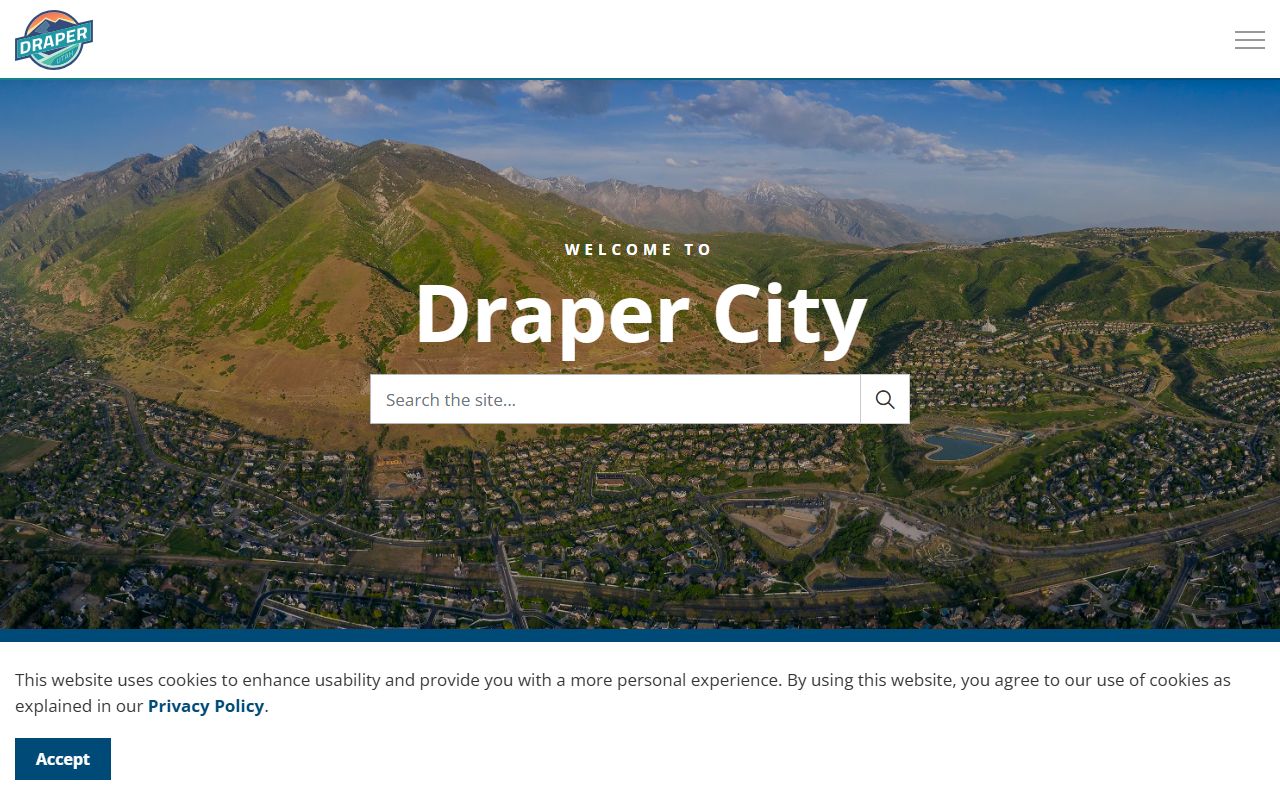
That recorder page is useful because it keeps the city side of the search grounded. Once the place is fixed, the county and state records are easier to line up.
Draper also relies on county health offices for certified death certificates. The right office depends on where in the city the person lived. Some Draper addresses use the Salt Lake County Health Department, while others use the Utah County Health Department. That split is important. It keeps the search tied to the correct county rather than forcing one office to fit every address.
Draper Obituary Records
The Draper Library gives the search a stronger local history layer. Visit Draper Library for genealogical resources and local history materials. That can help when a death notice is short or when the family line is hard to sort out. A library clue can show a newspaper date, a family name, or a burial reference that the city office will not have. It is often the fastest way to move from a rough name to a better search path.
The image below comes from the Draper Library page, which is the local research stop most likely to help when a Draper obituary turns into a family history question.
That library source matters because it adds newspapers, local history, and genealogy support to the search. One good branch library clue can save a lot of time.
For some Draper residents, the county health office in Salt Lake County is the right certificate path. For others, the Utah County Health Department is the correct place. The address controls the route. That means the obituary search should always start with the person, the street, and the year before you ask for the copy.
Finding Draper Obituaries
The Utah State Archives death certificate index at archives.utah.gov/research/indexes/20842.htm covers Utah death records from 1905 through 1967. It is a good way to check a name, a year, and a county before you ask for a copy. That is especially useful when the obituary is vague or when the family only knows the approximate year of death. The index can tell you whether the record belongs in Salt Lake County or Utah County before you spend time on the request.
Utah Digital Newspapers is the next stop for death notices, funeral notices, and obituary items. A Draper family may appear in a paper long before the county copy is ordered. A clipped notice can still give you the spouse name, burial place, or church reference that makes the rest of the search easier. That is why newspaper work and certificate work should stay tied together.
The Utah Cemetery and Burial Database adds another layer. It can confirm the cemetery, burial date, and sometimes family connections that are not visible in the obituary itself. That is useful in Draper because a death notice may point to one side of the city while the burial happens somewhere else nearby. A burial clue often settles the question faster than a broad web search does.
- Full name of the deceased, including maiden names if needed
- Approximate death year or burial year
- Street address or neighborhood clue in Draper
- Spouse, parent, or child names that separate similar people
Those details keep the search narrow and make the county split easier to manage.
Public Access for Draper Obituaries
Utah public records law shapes Draper obituary work too. Under GRAMA, most government records are open unless they are marked private, protected, or sealed. That means a newspaper obituary, a burial entry, and many county files can be inspected even if some details inside them are trimmed away. The public part of the record is often enough to keep the search moving.
That rule matters because obituary research often crosses public and semi-private records. A family may find the notice in a newspaper, the burial in a cemetery database, and the certificate through a county health office. Each source carries a different piece of the story. When the trail is thin, the public-record rules still leave enough detail to connect the dots.
The Utah Office of Vital Records is the statewide backup when the county route is not enough or when you want to confirm the request framework before you order. For Draper, the city, county, and state paths work together because the city crosses a county line.
Draper Copy Requests
When you are ready to request a certified copy, use the county health office that matches the address. If the Draper address falls in Salt Lake County, the Salt Lake County Health Department is the practical local stop. If it falls in Utah County, the Utah County Health Department is the better path. That detail matters because a good request is tied to the right county from the start. It saves time and reduces the chance of a return request.
Keep the request plain. Use the full name, the approximate date, and any relationship clue that can help the office match the right file. A clean request is easier to process and is less likely to come back asking for more information. If you already know the burial place or newspaper date, that can help too. The more exact the request, the better the response usually is.
Salt Lake County requesters can use the Salt Lake County Health Department page for the West Valley City office path. Utah County requesters can use the Utah County Health Department vital records page for the Provo, American Fork, or Payson office path. The point is to match the address first and the office second.
More Draper Research
Draper searches work best when you treat the city recorder, library, county health office, and state indexes as one path. The city gives you the place name. The library gives you the local history angle. The county health office gives you the certificate. The newspaper and burial database fill in the gaps between those steps. That sequence is slower than a broad search, but it gives you a better match and fewer false leads.
If the first pass does not settle the question, search again with a smaller year range or a different family name. Obituaries often use nicknames, maiden names, or older household names that do not match the official file on the first try. A second pass through the same sources usually finds the missing piece once the date or surname is tighter.