
Orem Obituary Records
Orem obituary searches usually begin at the city library or the city recorder, then move into Utah County records when a certified copy is needed. That is the practical path in Orem. The city has a strong library, a clear local government contact, and an easy county certificate route through American Fork. If you know a name, a year, or a cemetery clue, you can build a useful search without bouncing around the state. The best results come from matching the city trail with the county record trail.
Orem Obituary Quick Facts
Orem Obituary Sources
The Orem City Recorder at orem.org/city-recorders-office is the first city-level stop for an Orem obituary search. It helps frame the local record trail, even though death certificates themselves come through Utah County. That matters when you only have a city reference or a rough place clue. The recorder gives the search a fixed point before you widen it to county health, newspapers, and burial files.
Orem Public Library is a stronger obituary source than many city libraries because it supports local history and genealogy work directly. The library at oremlibrary.org sits at 58 North State Street and keeps the kind of resources that help with old notices, family lines, and local clues. It is especially useful when the obituary was printed in a paper or when the family line is tied to Utah County history. The image below comes from that library page.

The library image shows the local research point that often makes Orem searches easier. A name in a family history book can be just as helpful as a name in a newspaper clipping.
Orem Obituary Records
For official copies, Orem residents usually go through Utah County Health Department. The American Fork office at 599 S 500 E #2 is a practical county stop for many north county residents, and it issues death certificates for events anywhere in Utah. The office hours are Monday through Thursday from 8:00 AM to 4:30 PM and Friday from 8:30 AM to 4:30 PM. The county system is the best place to turn when a notice has to become a certified record.
That county office works best when the name and year are already narrowed down. If the obituary is fresh, the county certificate can provide a clear match fast. If the obituary is older, the library and burial record path may help you find the right person before you request a copy. Either way, the county office gives Orem residents a local door into the same Utah-wide record system.
The image below comes from the Utah Office of Vital Records, which backs the county certificate process for Utah County residents.
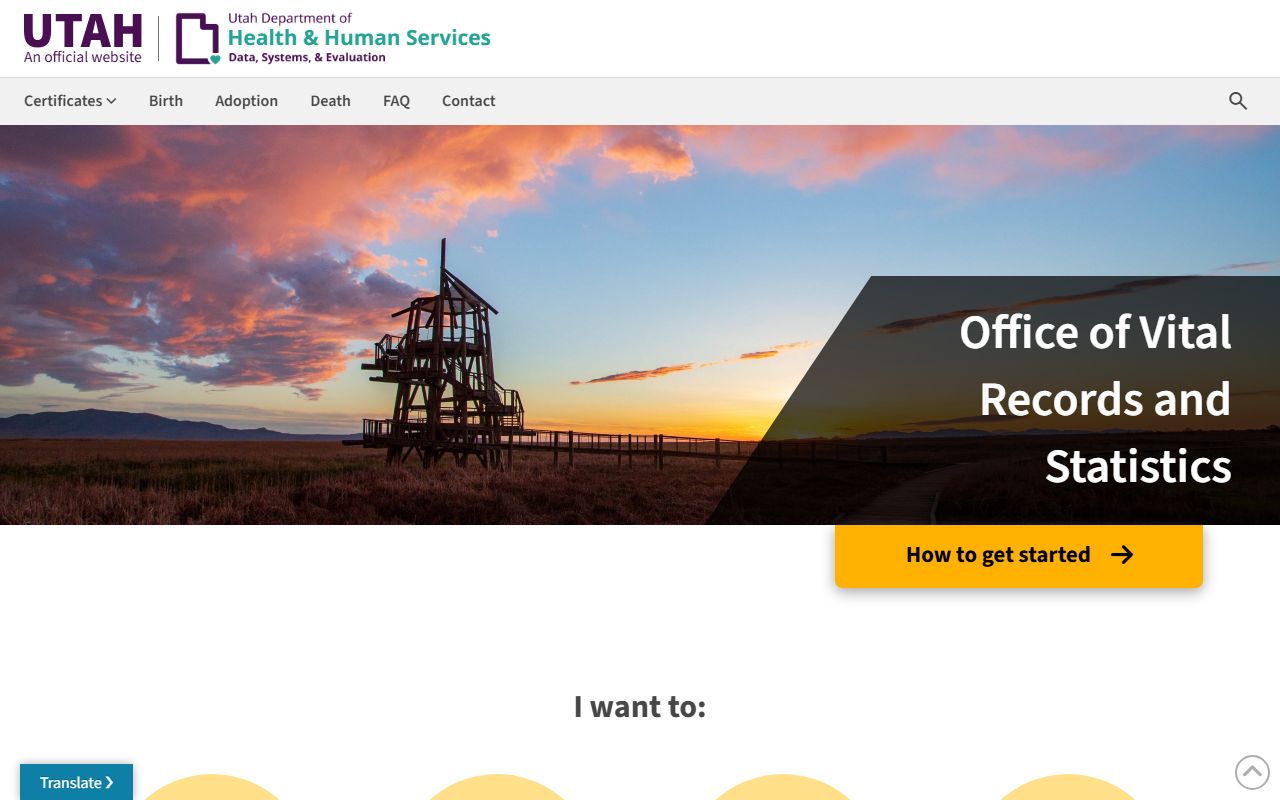
That state office is the best backup when a county request needs confirmation or when you want to compare the county path with the statewide ordering system.
Finding Orem Obituaries
The Utah State Archives death certificate index at archives.utah.gov/research/indexes/20842.htm is a good way to test an Orem name before you request a record. It covers Utah deaths from 1905 through 1967 and gives you a county and year to work from. That is helpful when the obituary is vague or when the family line stretches across several towns in Utah County.
For printed notices, Utah Digital Newspapers is the best state-level companion. It can surface death notices, obituaries, and funeral announcements from local papers that may not appear anywhere else. That matters in Orem because older families often left a stronger newspaper trail than a government trail. If you can find the paper item, you often gain names and dates that the certificate does not show.
The Utah Cemetery and Burial Database at utahdcc.secure.force.com/burials is also useful for Orem because Utah County cemetery coverage is strong. It can confirm a burial place and help separate one family member from another when names repeat. The database is especially handy when you know the cemetery but not the exact record date. A burial clue can move the search forward quickly.
Researchers who work Orem records often use the cemetery, newspaper, and archive together. That combination usually gives a cleaner answer than any one source alone.
Public Access for Orem Obituaries
Utah public records law matters here too. Under Utah Code Title 63G, Chapter 2, many government records are open, but some details remain private or protected. That is why an Orem obituary search can produce a public notice, a cemetery clue, and a partially redacted certificate all in the same case. The open part of the record is often enough to confirm the person and keep the search moving.
The county certificate path and the state certificate path work together, but they serve slightly different jobs. The county office is the practical local stop for Utah County residents, while the state office gives the broader framework and ordering path. If the Orem obituary is being used for family papers, inheritance work, or another formal purpose, the certified copy is the record that matters most. The notice helps you find it, but the certificate is what usually closes the loop.
The CDC Utah vital records page is a good backup when you want a quick state check on how Utah records are handled. It is especially useful if you need to confirm the record office before you send anything by mail.
Orem Copy Requests
When you are ready to request a copy, keep the request clean and direct. Use the full name, the approximate date of death, and any family or cemetery clue that can help the office match the right file. Orem searches move faster when you bring enough detail to avoid a false match but not so much that the request gets muddy. That balance matters more than people think.
The city sources help you find the person. The county office gives you the certified record. The archive and newspaper sources help you prove the match. When those pieces line up, the search becomes straightforward. If they do not line up, the county office can still tell you whether a different spelling or date range makes sense. That is often the difference between a dead end and a useful record.
- Full legal name and any known nickname
- Approximate death year or burial year
- Any cemetery, church, or family clue
- Photo ID or other acceptable identification
Note: Orem obituary work usually goes fastest when the city library confirms the name first and the county office handles the certified copy second.