
Daggett County Obituaries
Daggett County obituary research works best when you start with the county clerk in Manila and then widen the search into state records. The county is small, young, and less dense than most Utah counties, so a brief notice can be hard to trace if you do not move in order. The clerk, the recorder, TriCounty Health, and the state archives each handle a different part of the trail. That means a name can still lead to a burial clue, a newspaper item, or a certified copy if you give the search a tight start and a careful second pass.
Daggett County Quick Facts
Daggett County Obituary Sources
The Daggett County Clerk/Auditor is the first county-level stop when a search begins with a family name or a Manila reference. The clerk office keeps county records from 1918 forward and can help you anchor a surname before you move into death records. That matters when a notice uses an old family line or a small place reference. The county is young, so the paper trail is often thinner than the family story. A clean county starting point cuts down on guesswork and keeps the search tied to the right place.
The image below comes from the TriCounty Health Department, which is the main certificate path for Daggett County deaths.
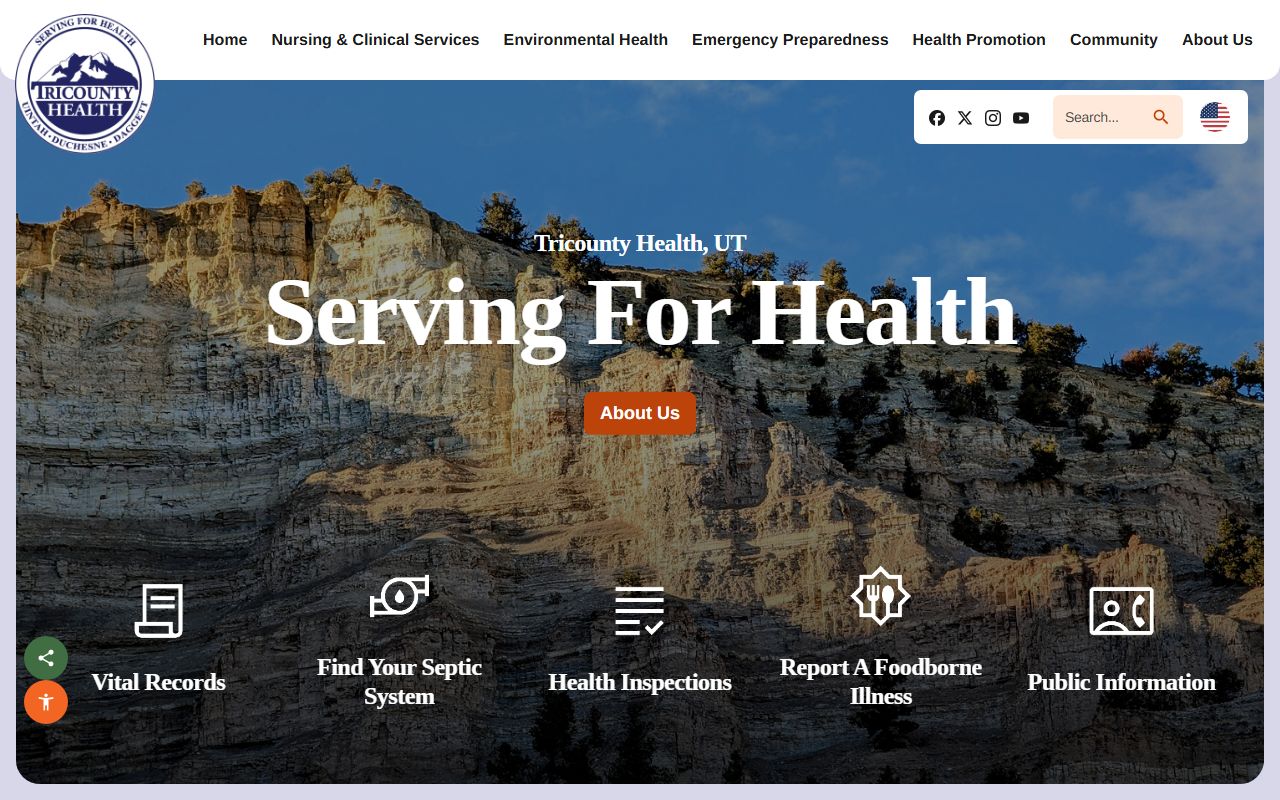
That office matters because Daggett County residents use it for certified death copies. The Vernal office at 133 South 500 East keeps the county record path close enough to be practical, and the service works for Utah deaths beyond the county too. When the obituary is only a lead, the county health office is the step that turns that lead into an official record.
The Daggett County Recorder is another helpful local source. Visit Daggett County Recorder when you need land or property records that may show burial plots, cemetery deeds, or estate clues tied to a death. That recorder trail is valuable in a county where a small number of families can create a dense local history.
Daggett County Obituary Archives
Older Daggett County obituary work usually depends on the state side of the trail. The county was established in 1918, so researchers looking for earlier death material need to check the Utah State Archives for records that predate the county. The Utah State Archives death certificate index is especially helpful because it covers Utah death records from 1905 through 1967 and lets you search by name, year, and county before you order. That is a clean way to separate Daggett records from nearby counties when the family story is vague.
The image below comes from the Utah State Archives death certificate index, which is the main statewide research tool for older Daggett County obituary work.
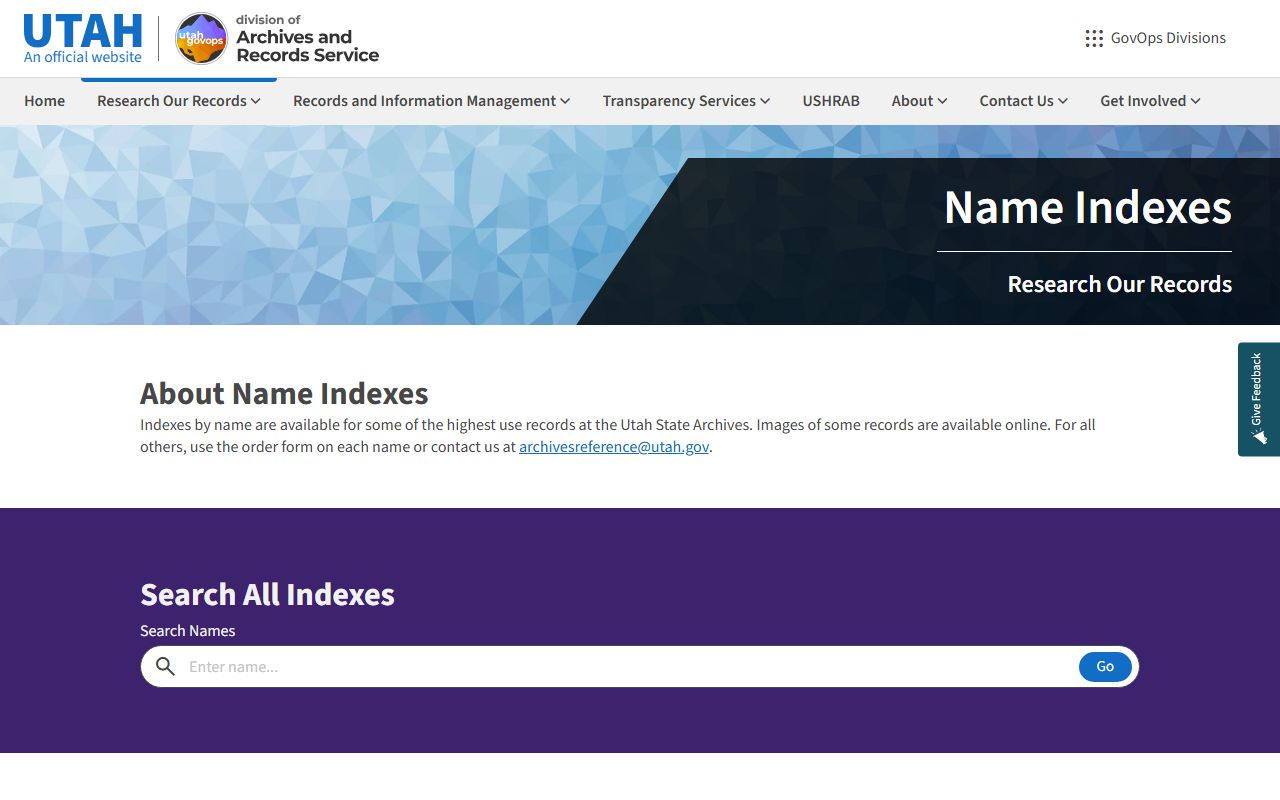
The archives are useful because they can fill the gap before Daggett County was organized. If the date is early, the archive index often gives you the county and year you need before you make a request. That keeps the search efficient and lowers the risk of ordering the wrong file.
The Utah Cemetery and Burial Database at utahdcc.secure.force.com/burials is the next step when the burial site matters. Even in a small county, cemetery records can show the family name, burial date, and grave location that a short obituary may leave out. For printed notices, Utah Digital Newspapers can surface funeral notices and local death items that never reached a county file.
Finding Daggett County Obituaries
Daggett County obituary research works best when you keep the first pass narrow. The county is small enough that a rough year and one family name can still be useful, but the record trail is not as deep as in larger counties. The clerk, TriCounty Health, the recorder, and the state archives each serve a different part of the search. When you move through them in order, the results tend to make more sense and the matching gets easier.
To keep a Daggett County obituary search tight, gather the basics first.
- Full name of the deceased, including maiden names if needed
- Approximate death year or burial year
- Town, ward, or cemetery clue in Daggett County
- Spouse, parent, or child names that can separate similar people
Those details make the newspaper search more precise and help when you compare the obituary to the burial record and the certificate record. They also matter when the county name alone is not enough and the same family appears in neighboring counties.
Public Access for Daggett County Obituaries
Daggett County obituary work is shaped by Utah public-record rules, especially GRAMA. In practice, that means many government records are open to the public, but some pieces can still be private, protected, or redacted. A newspaper obituary may be public, a burial record may be public, and a certificate copy may require a tighter request path. The rule is simple, but the record trail can still split across offices.
The state office at Utah Office of Vital Records is the backup when TriCounty Health is not the right source or when a statewide request makes more sense. Utah also points researchers to the federal guidance on the CDC Utah vital records page, which confirms the state contact and the basic request framework for Utah records. That can help when you are checking an address or a request method before you order.
Most Daggett County searches work best when you start with a public notice, then move to the official record. That keeps the search efficient and avoids ordering the wrong file. If the first pass does not settle the question, a second pass through the newspaper and burial database often reveals the missing piece.
Getting Daggett County Obituary Copies
If you need a certified death record rather than a notice, TriCounty Health is the main Daggett County path. Requests can be made in person, by mail, or through the state's ordering system. The department asks for proper ID and proof of relationship when needed, which keeps the file tied to the right person. That is especially important when the obituary is a partial match or when the family needs a copy for a formal paper trail.
Mail requests are straightforward if you keep them plain. Send the completed form, a clear ID copy, proof of relationship if it applies, and payment by check or money order. If you are trying to match a death notice to a certified file, start with the exact name used in the obituary, then add the city or county if the search needs more focus. A clean request saves time on both sides.
Daggett County is small enough that the county recorder can also matter when an obituary points to land, a home, or a burial plot. Those records may not replace a certificate, but they can confirm the family and the place. That is often enough to keep the search moving in the right direction.
Note: Bring the smallest set of facts that still identifies the person. Simple requests are easier to process.
More Daggett County Research
Daggett County has enough state and regional support to make obituary work practical even when the first search comes up short. Manila is the county seat, so the record trail is compact once you know the right name and date. That helps when a family needs to move from a notice to a certificate without guessing across Utah. The clerk, recorder, TriCounty Health, archives, and cemetery database all serve different parts of that trail.
If the first pass does not settle the question, search the newspaper again with a different year range and then check the burial side one more time. The result often appears after the second or third pass, not the first. That is normal for obituary work, especially when the county is small and the family line is spread across the Uintah Basin.