
Wayne County Obituary Records
Wayne County obituary research starts in Loa, where the county seat, the clerk office, and the regional health path all shape the search. Wayne County was established in 1892, and the county still keeps early record clues that can help when an obituary is short or the family memory is thin. That is useful because a death notice may only give a name and a town. From there, the trail can move to a burial entry, a state index, or a certificate request. Begin with the full name and a rough year, then use the county and state sources in order.
Wayne County Quick Facts
Wayne County Obituary Sources
The Wayne County Clerk/Auditor page is the best local starting point for obituary research because it keeps the family search tied to Loa and the county government office. Visit waynecountyutah.org/clerk-auditor when you need the county record path or when an obituary points to a Wayne County family line. The clerk office maintains marriage records from 1892 forward, which can help confirm a spouse name, a maiden name, or a family connection before you move to the death record. That matters in a county where the record trail can be narrow but still usable.
The image below comes from the Utah Office of Vital Records, which is the statewide backup for Wayne County death certificate requests.

That office is a good stand-in for the local health route because Wayne County residents can use Central Utah Public Health or the Utah Office of Vital Records for death certificates. It gives the search a clear next stop when the obituary needs to become a certified copy.
Wayne County also keeps historical records at the county level, including early vital records before state registration began in 1905. That means older family clues may still sit in county files or county-linked history sources. If the obituary is thin, the clerk office and the health office are often enough to point you to the right person.
Wayne County Obituary Archives
The Utah State Archives death certificate index at archives.utah.gov/research/indexes/20842.htm gives Wayne County researchers a statewide way to check names, years, and county matches before they order a copy. That is important because Wayne County death notices can be brief, and a small detail may be all you have at first. The index can help verify whether the death was recorded in the right place and can save time when the family line is common or the year is uncertain.
The image below comes from the Utah State Archives death index, which is one of the best statewide tools for tying Wayne County obituary clues to an official file.
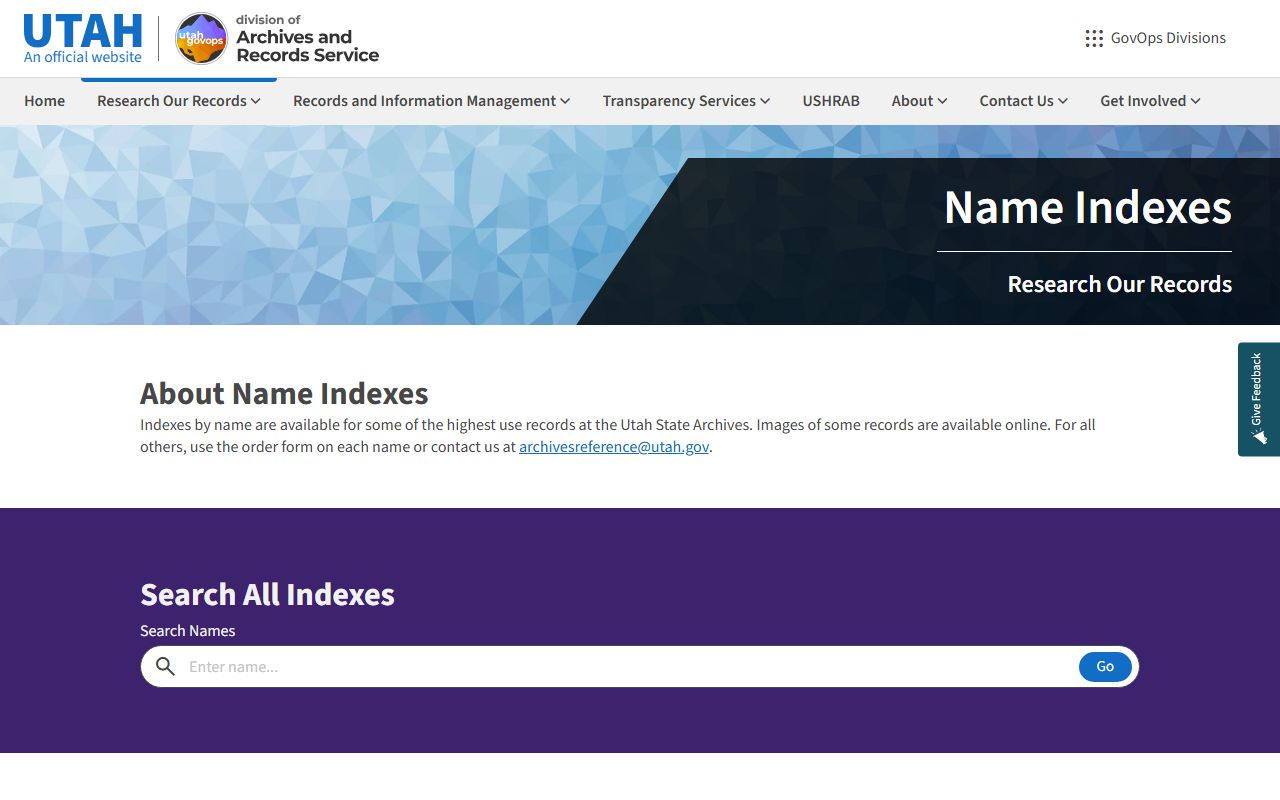
That index is especially useful for older Wayne County cases because it can bridge the gap between a family memory and a certified record. When the county file is not enough, the archive index usually gives the next clear step.
The Utah Cemetery and Burial Database at utahdcc.secure.force.com/burials is another strong source for Wayne County. Burial entries can show cemetery names, burial dates, and family relationships that never appear in a short obituary. That is useful in a county with deep local roots, because a grave record can point to the family line faster than a notice alone.
When you compare the burial database with the state index, the search gets tighter. One source helps confirm the person. The other can show where the family laid the person to rest.
Finding Wayne County Obituaries
Newspapers are still an important part of Wayne County obituary work because they preserve the public version of a death that may never show up in a county file. Utah Digital Newspapers can surface death notices, funeral notices, and obituary items from Utah papers. That is helpful when a family has a name and a place, but not much else. The search works best when you already know the person’s full name, a rough date, and one local clue from Loa or another Wayne County place.
The image below comes from Utah Digital Newspapers, which is useful when a Wayne County obituary appears in print before it appears anywhere else.

That newspaper path matters because the county is small and the same surname can appear in more than one family line. A newspaper notice may give the spouse, the ward, or the burial site that separates one person from another.
To keep a Wayne County obituary search focused, start with the basics.
- Full name of the deceased, including maiden names if needed
- Approximate death year or burial year
- Loa, another Wayne County place, or a cemetery clue
- Spouse, parent, or child names that separate similar people
Those details make the paper search faster and help when you compare the obituary with the burial entry and the certificate record.
Public Access for Wayne County Obituaries
Wayne County obituary research follows Utah public-record rules, especially GRAMA. Many records are open, but some parts can still be private, protected, or sealed. That means a newspaper obituary may be public while the related certificate copy still has to go through the proper office. The rule is straightforward. The record path is just split across different sources, and each one does a different part of the job.
The Utah Office of Vital Records at vitalrecords.utah.gov is the statewide backup when the regional office is not enough. That office helps with Utah death certificates and can resolve a file when the county route is not clear. The CDC Utah vital records page is also useful because it confirms the state framework and helps you check the request path before you order anything. That is handy when you want a quick confirmation before submitting a request.
The Utah Division of State History at history.utah.gov can help connect local history, cemetery clues, and older county material. In Wayne County, that context matters because family lines often stay in the same area for a long time and the obituary may only hint at the larger story.
Public access works best when you move from the notice to the burial record and then to the certificate. That sequence keeps the search practical and limits false matches.
Getting Wayne County Obituary Copies
If you need a certified copy rather than a notice, Wayne County residents can use Central Utah Public Health or the Utah Office of Vital Records. The county clerk page and the health office work together in the normal Utah record system, so the request path is clear once you know the right name and date. If the obituary points to Loa but the death happened elsewhere in Utah, the state office can still handle the request. That flexibility matters when the record trail crosses county lines.
Keep the request short and direct. Use the full name, the approximate date, and any relationship clue that can help the office match the file. A neat request is easier to process than a long one with extra story details. If you already know the cemetery or newspaper date, add it only when it helps identify the person. In most cases, simple is better.
Wayne County’s county-level historical records can also help when the obituary points to an older family line. A marriage record from the clerk office can confirm the right household before you request the death copy, which helps when two people had similar names. That extra check is often worth the few minutes it takes.
Note: Bring the smallest set of facts that still identifies the person. Clear requests are easier to process.
More Wayne County Obituary Research
Wayne County research works best when you use the clerk, the regional health office, the archive index, the burial database, and the newspaper trail as one connected path. Each source answers a different part of the same question. The clerk helps with family lines. The health office handles the certificate route. The archive index and burial database fill in older or missing details. The newspaper often gives the human detail that the official record leaves out.
If the first search does not settle the question, try again with a smaller year range or a different family name. Obituaries often use nicknames, remarried names, or older household names that do not match the first result. Wayne County records reward a careful second pass more than a fast sweep. That second pass is often where the right clue shows up.