
Piute County Obituary Records
Piute County obituary research needs a patient approach because the county has limited historical records and a very small population base. Piute County was established in 1865, and Junction is the county seat, so the local trail is compact but not always deep. That makes the clerk office, the regional health department, and the state archive especially important. A short notice may be all you get at first. Even so, that notice can still lead to a burial entry, a county clue, or a certificate request. Start with the full name, add the year if you know it, and move through the record trail in a careful order.
Piute County Quick Facts
Piute County Obituary Sources
The Piute County Clerk/Auditor page is the first local source to check when an obituary points to Junction or another Piute County place. The county clerk office at piuteutah.com/clerk-auditor maintains marriage records from 1887 forward and can help confirm a family line before you move to death records. That matters in a county this small because a short obituary may leave out the spouse or the place name that would normally make the match easy. The clerk page keeps the search grounded in the county seat and gives you a stable first stop.
The image below comes from the Southwest Utah Public Health Department records page, which is the regional death-certificate path for Piute County residents.

That office is the practical route when a Piute County obituary needs a certified copy or a record request. It is the local path that bridges the county and the state system.
Piute County is one of Utah’s least populous counties, so the historical trail can be thin. The county clerk remains the right place to ask about any older records that may still survive at the county level, and the state resources become even more important when the local file set is limited. In a county with a small paper trail, every confirmed name matters.
Piute County Obituary Archives
The Utah State Archives death certificate index at archives.utah.gov/research/indexes/20842.htm is one of the most useful tools for Piute County because it can confirm a death year, a county match, or a filing clue before you request a copy. That matters when the obituary is only partly remembered or when the family has a name but not the exact date. The index can help separate one person from another and keep you from sending the wrong request.
The image below comes from the Utah State Archives death index, which is the statewide search path that helps tie Piute County names to official records.
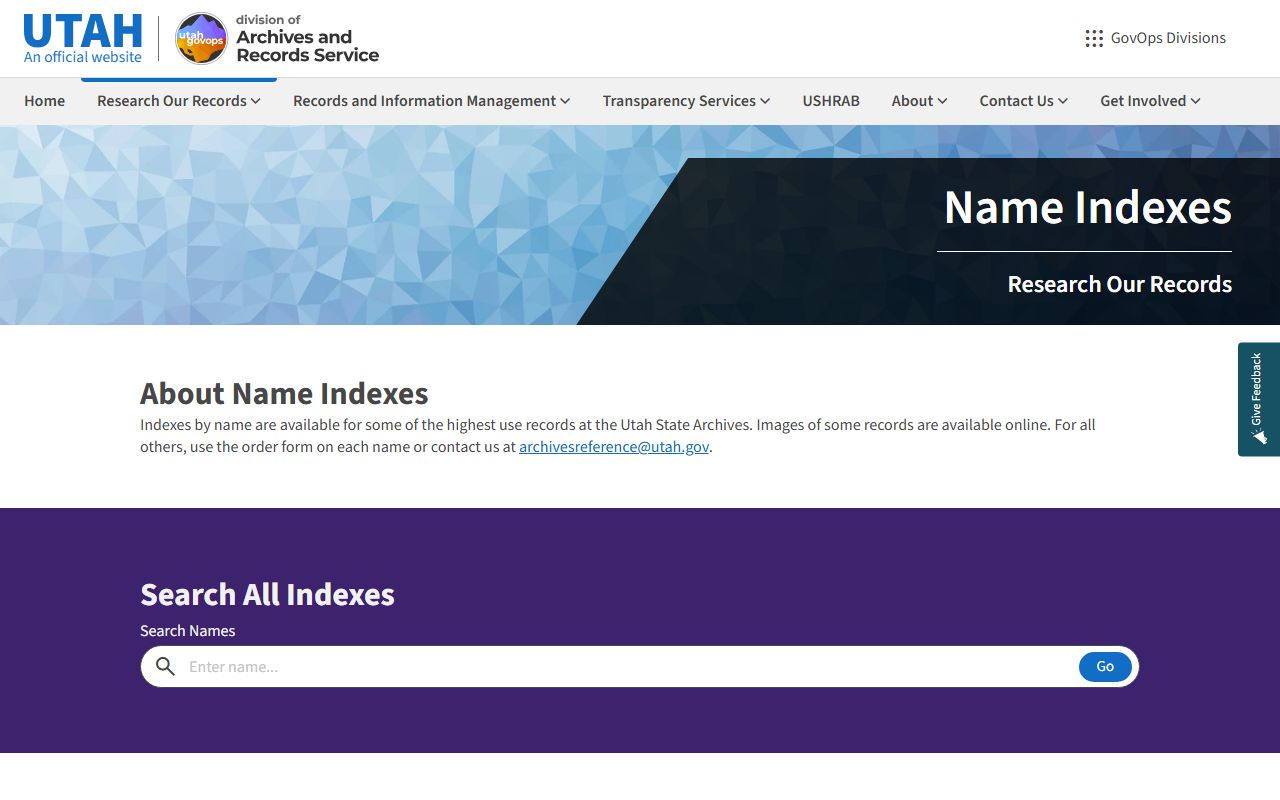
That tool is especially useful in Piute County because the local record base is smaller than in many other Utah counties. A state index gives you a better chance of finding a usable lead when the county file is thin or incomplete.
The Utah Cemetery and Burial Database at utahdcc.secure.force.com/burials is another strong source for Piute County. Burial entries can show the cemetery name, the burial date, or a family tie that the obituary did not spell out. That helps when the notice is short or when a local family used a nickname that never made it into the official record. A burial match can turn a vague search into a specific one.
For Piute County research, the burial database and the state index often work better together than alone. One gives you the name. The other may give you the place.
Finding Piute County Obituaries
Newspapers are important in Piute County because they often carry the only public version of a death notice. Utah Digital Newspapers can surface obituary items, funeral notices, and short death announcements from Utah papers. That is helpful in a county with limited historical records because a newspaper clipping may provide the full name, a spouse, or a cemetery detail that never appears elsewhere. The search is easiest when you already know the person’s name, a rough year, and one town or family clue.
The image below comes from Utah Digital Newspapers, which is a good fit for Piute County obituary searches that need a public notice instead of a county file.

That paper trail matters in Junction and nearby communities because local coverage can fill in the gap left by the county record set. A short article may be the only place where the family relationship or burial site is named.
To keep a Piute County obituary search focused, begin with the essentials.
- Full name of the deceased, including maiden names if needed
- Approximate death year or burial year
- Junction, another Piute County place, or a cemetery clue
- Spouse, parent, or child names that separate similar people
Those details help you compare the newspaper item with the burial record and the certificate record. That comparison is often what closes the gap in Piute County.
Public Access for Piute County Obituaries
Piute County obituary work follows Utah public-record rules, especially GRAMA. In practice, that means many records are open, but some parts can still be private, protected, or sealed. A newspaper obituary may be public, while the related certificate copy may still need a formal request path. That split is normal. It simply means you may have to move from one source to another to finish the search.
The Utah Office of Vital Records at vitalrecords.utah.gov is the statewide backup when the regional office is not enough or when the death occurred somewhere else in Utah. The CDC Utah vital records page is also useful because it confirms the state framework for Utah deaths and helps you check the request route before you order. That matters when the county information is thin and you need a more certain path.
The Utah Division of State History at history.utah.gov is useful when a Piute County obituary needs more context than a certificate can give. It can help tie together local history, cemetery clues, and older family references that do not always show up in the modern files.
Public access is best when you treat the obituary, burial database, and archive index as one connected search rather than three separate searches. That keeps the work steady and reduces false matches.
Getting Piute County Obituary Copies
If you need a certified copy rather than a notice, the Southwest Utah Public Health Department is the local Piute County route. That office handles death certificate requests for county residents, and the Utah Office of Vital Records remains the statewide backup. If the obituary points to Junction but the death took place elsewhere in Utah, the state route can still resolve the record. The county and state systems are built to work together, so you do not need to force the search into one office too early.
Keep the request short and exact. Use the full name, the approximate date, and any family clue that can help the office identify the correct file. A small request is easier to process and less likely to come back with a question. If you already know the burial place or the newspaper date, you can add it if it improves the match. Clear details matter more than a long story.
Piute County records are limited, so even a partial clue can help. A marriage record from the county clerk can confirm the right family before you ask for the death copy, and that can save time when more than one person had the same name. Careful matching is often the key in a county this small.
Note: Bring the smallest set of facts that still identifies the person. Simple requests are easier to process.
More Piute County Obituary Research
Piute County searches work best when you move in order. Start with the clerk, check the regional health office, then use the archive index, the burial database, and the newspaper trail to fill in the missing pieces. That sequence keeps the search grounded and helps you avoid guessing. It is especially useful in Piute County because the local record set is small and every clue has to do more work.
If the first pass does not solve the search, try again with a smaller year range or a different family name. Obituaries often use nicknames, remarried names, or older household names that do not match the first result. Piute County records reward patience more than speed. A second pass through the same sources often finds the clue that the first search missed.