
Search San Juan County Obituaries
San Juan County obituary research works best when you start with Monticello and then widen the search in a steady order. The county has a long record trail for a rural area, but the records are still split between the clerk, the recorder, the state archive, and the burial database. That means a name can move from a short notice to a burial clue to an official certificate without losing its place. The key is to keep the search local first, then use the state tools that confirm the record and fill in the gaps.
San Juan County Quick Facts
San Juan County Obituary Sources
The San Juan County Clerk is the first county office worth checking when a search begins with a family name or a Monticello reference. The clerk office keeps marriage records from 1887 forward, and those records can help sort out a married name, a maiden name, or a family line that is hard to separate in a short obituary. That matters in a county this large and this spread out, because even one clean name match can save a lot of time.
The image below comes from the San Juan County Clerk page, which is the record anchor many San Juan County obituary searches start with.
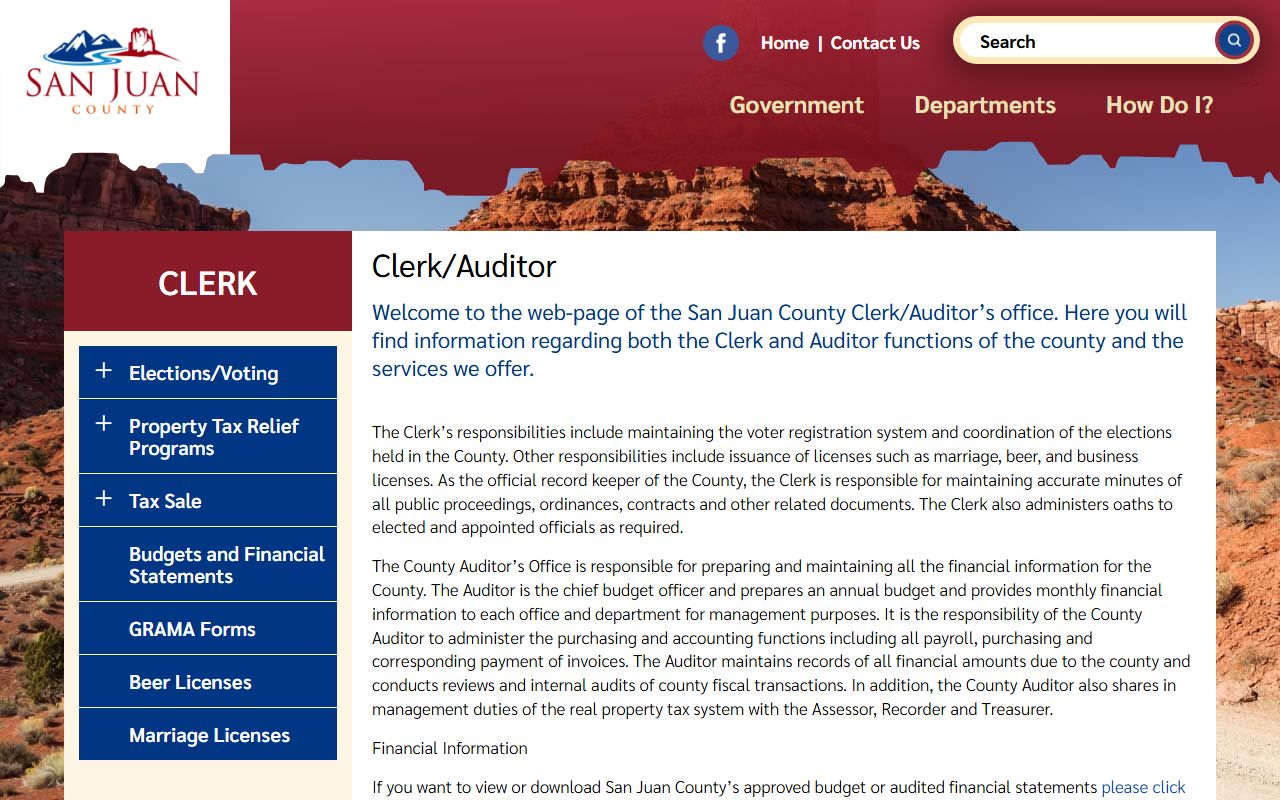
That clerk page matters because it keeps the search tied to the county seat in Monticello. If the obituary only gives a partial household name or a rough local clue, the clerk office still gives you a place to begin before you move to the death certificate side or the burial record side of the search.
The county is also served by the San Juan County Recorder, which can help when a death notice leads to land, property, or burial plot questions. Recorder records are not obituary records on their face, but they can show how a family settled property after a death or where a parcel passed to the next generation. In a county with deep family roots and a strong Native American heritage, those record lines are often worth checking.
San Juan County Obituary Records
San Juan County residents can get death certificates through the Southeast Utah Health Department or through the Utah Office of Vital Records. That split matters because a family may start with a local county lead, then end up needing the state office for the official copy. The county path is useful when the obituary is only the first clue, but the state office becomes the stronger route when you need a certified record in hand.
The image below comes from the San Juan County Recorder page, which is the county source most likely to help when an obituary points to property, land, or burial-related files.
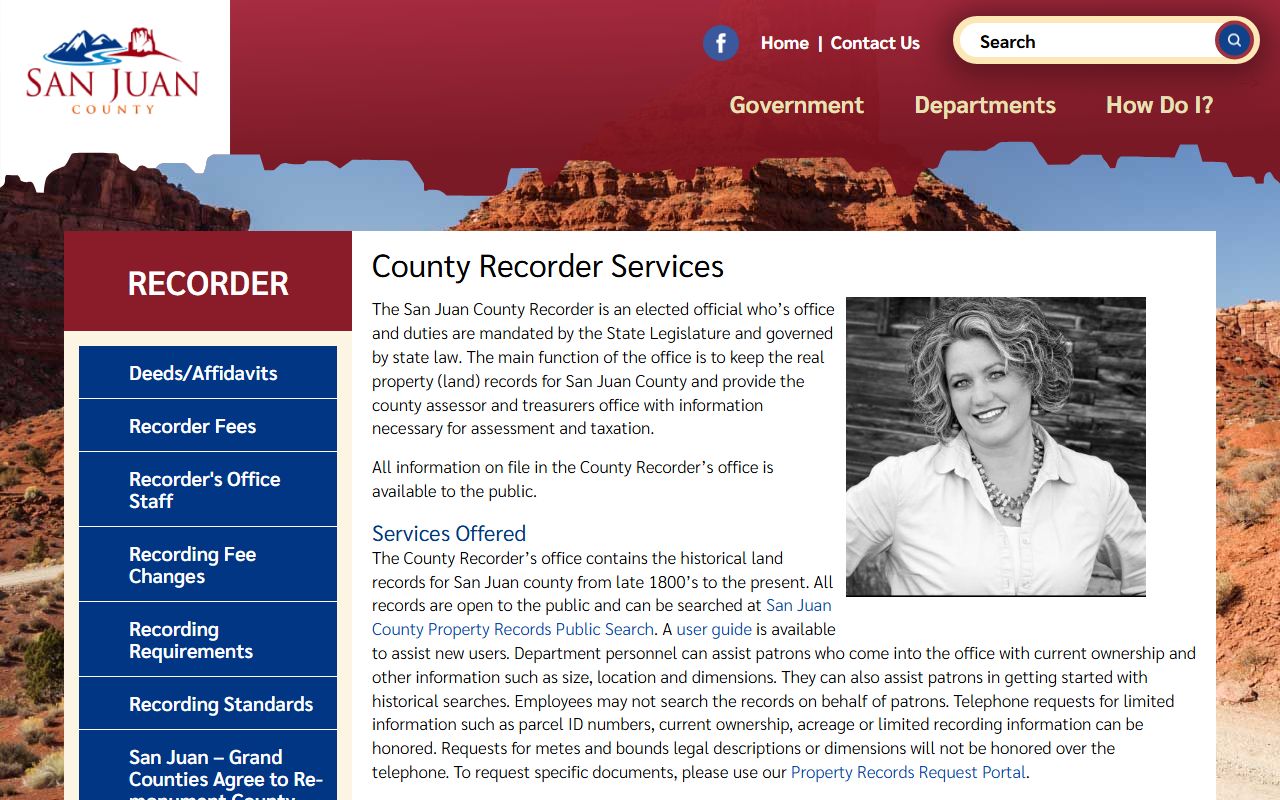
The recorder side of the trail can add family context that a short notice leaves out. A deed, a parcel change, or a burial plot clue may show why one family name belongs to the record you found and not a nearby one with a similar spelling.
For older searches, the Utah State Historical Society burial database at utahdcc.secure.force.com/burials is a strong companion to the county offices. It can confirm a cemetery, a burial date, and sometimes a family connection that is not obvious in the obituary itself. That is especially useful in a county where some families are tied to long local lines and where cemetery names can be more helpful than a newspaper headline.
Note: In San Juan County, the best search often starts with a family name and then branches into land, burial, and certificate records once the county seat or home place is clear.
Finding San Juan County Obituaries
Newspaper searches are still one of the fastest ways to find a San Juan County obituary because they often carry the first public notice. Utah Digital Newspapers can surface death notices, funeral notices, and short obituary items that never reached a county file. That is useful in a rural county because a paper notice may include a church, a funeral home, or a burial place that the certificate does not mention.
The Utah State Archives death certificate index is the next place to look when you need a name, year, or county match. It covers Utah death records from 1905 through 1967 and can help you confirm whether the death was actually recorded where you expect. The index is especially useful when a family story is fuzzy or when the obituary only gives you a rough date.
San Juan County searches can be tricky because of place names, tribal boundaries, and family naming patterns. If you already know a spouse, parent, or burial place, use that to narrow the search. If you do not, start with the county seat, Monticello, and work outward from there. That keeps the search grounded and makes it easier to tell one person from another when the surname is common.
- Full name of the deceased, including maiden names if needed
- Approximate death year or burial year
- Town, ward, or cemetery clue in San Juan County
- Spouse, parent, or child names that separate similar people
Those details make the newspaper search more precise and help when you compare the obituary to the burial record and the certificate record.
Public Access in San Juan County
San Juan County obituary work follows Utah public-record rules just like the rest of the state. Under GRAMA, many government records are open unless they are marked private, protected, or sealed. That means a newspaper obituary, a burial entry, and many county records can be inspected, even if some details inside those records are trimmed away. The public part is usually enough to keep the search moving.
The state office is the backup when the county path is not enough or when you want to confirm the request rules before you send anything in. The CDC Utah vital records page is also a good cross-check for the statewide request framework. Those sources do not replace the county trail, but they help you avoid a bad request or a mismatch when the obituary is only part of the story.
San Juan County also has historical records that can reach back before statewide death registration. That matters when a family search runs into an older line or a notice that points back to the county's early settlement period. In those cases, the burial database and the archive index often work better together than either one does alone.
Getting San Juan County Obituary Copies
When you need a certified copy, the Southeast Utah Health Department or the Utah Office of Vital Records is usually the practical next stop. Keep the request plain. Use the full name, the approximate date, and any relationship clue that can help the office match the right file. A clean request is easier to process, and it is less likely to come back asking for more information.
If the obituary is older, you may get more value from the burial database and the county clerk than from the certificate path alone. The clerk can confirm family lines, the recorder can point to property clues, and the burial database can confirm the cemetery. That combination is often enough to prove the match before you order the official paper.
For a newer death, the certificate path is usually the better first move. For an older one, start with the newspaper and burial record, then go back to the certificate if you still need formal proof. That order keeps the search efficient and prevents wasted requests.
More San Juan County Research
San Juan County is a place where obituary work can pull in more than one kind of record. A family may appear in county marriage records, a newspaper notice, a cemetery listing, and a tribal or local history source. That does not make the search harder if you keep the steps in order. It just means you have to compare the sources carefully and not stop at the first close match.
Monticello gives you the county seat, but the county's history stretches well beyond one town. If a notice names a different place, use that as a clue rather than a detour. Then check the clerk, the recorder, the burial database, and the newspaper record together. The result is usually a stronger family trail and a better chance of finding the exact obituary or death record you need.
When the first pass comes up short, try the same name with a tighter year range or a different family spelling. In San Juan County, that second pass often makes the difference between a vague hint and a usable record trail.