
Search Lehi Obituary Records
Lehi obituary searches usually start with a city clue and then widen into Utah County. That works because the city library, the city recorder, and the county health department all sit inside one clear record path. If you know a name, a rough year, or a burial hint, you can move from a short notice to a stronger record trail without starting over. Lehi is one of the fastest-growing cities in Utah County, so the search can involve recent family files and older local history sources at the same time.
Lehi Obituary Quick Facts
Lehi Obituary Sources
The Lehi City Recorder is the first city page worth checking when a Lehi obituary search starts with a residence, ward, or neighborhood clue. The recorder office does not hold death certificates, but it gives the local record trail a fixed point. That helps when a family remembers the city but not the office or paper that carried the notice. A local government page is often the cleanest place to begin because it keeps the search tied to Lehi before you move out to county or state sources.
The Lehi City Library adds a stronger research layer. Visit Lehi City Library for local history resources and genealogical databases that can help with obituary work, older family names, and newspaper leads. Libraries are often where a thin notice becomes a useful clue. They can point you to a paper clipping, a family file, or a surname pattern that helps you avoid the wrong person. That matters in Lehi because the city has grown fast, and families can show up in several different records at once.
The image below comes from the Lehi City Library page, which is the strongest local research hub named in the Lehi research.

That library image is useful because it points straight to the local place most likely to supply an obituary lead, a newspaper note, or a family history match.
Lehi Obituary Records
For an official death certificate, Lehi residents usually work through the Utah County Health Department. The county system is the practical next stop when a notice turns into a formal request. Utah County has a main office in Provo and a more convenient north county stop in American Fork, so Lehi families can choose the site that fits their travel better. That makes the county path easier than starting with the state office first.
The county office can issue death certificates for events anywhere in Utah, which matters when an obituary mentions Lehi but the death happened somewhere else. If you need to verify the state process first, the Utah Office of Vital Records at vitalrecords.utah.gov is the statewide backup and the source that sets the larger request framework. That is often the path when a family wants a certified copy for records, probate, or other formal use.
The image below comes from the Utah Office of Vital Records, which supports the county certificate system Lehi residents rely on.
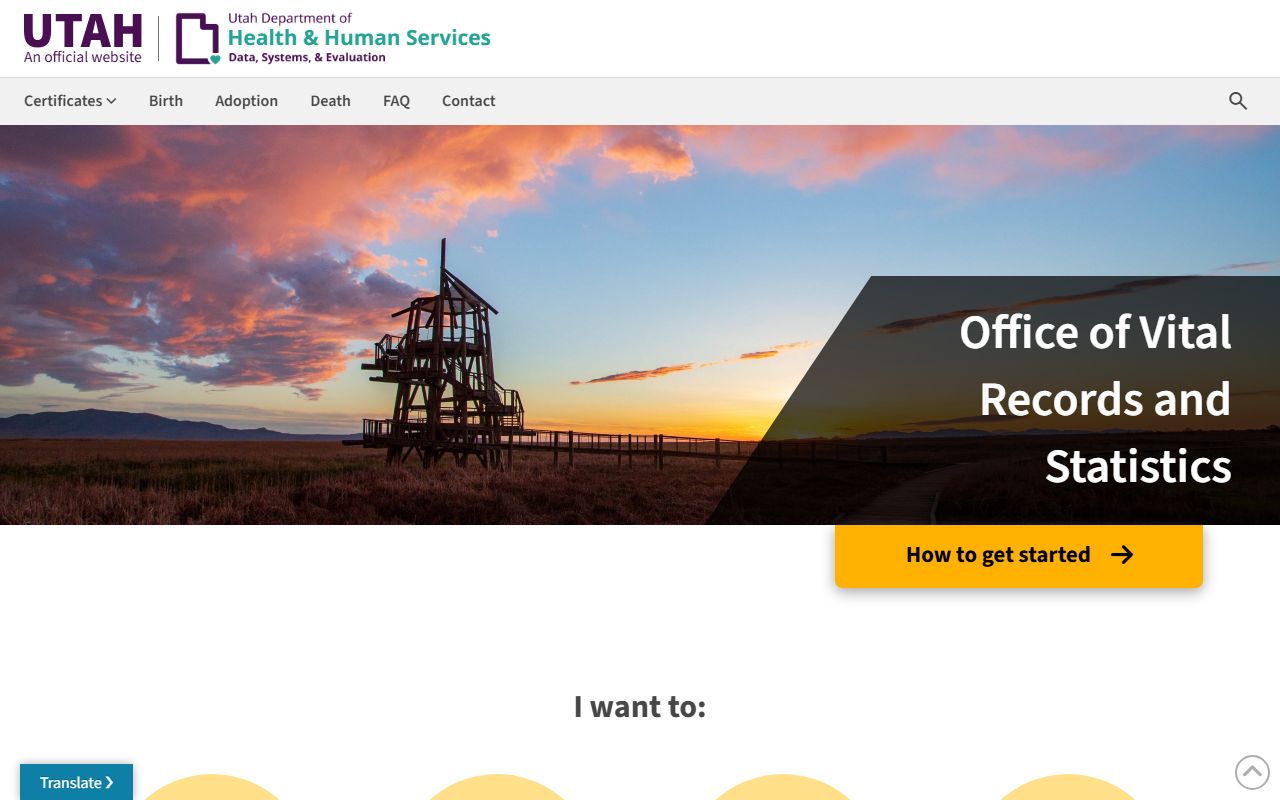
That state office is a useful backup when the county request needs confirmation or when you want to compare the local and statewide paths before ordering a copy.
Finding Lehi Obituaries
Printed notices and indexed records still matter a lot in Lehi. The Utah State Archives death certificate index at archives.utah.gov/research/indexes/20842.htm gives you a fast way to test a name, a county, or a death year before you request anything. That is useful when the family story is fuzzy or when the obituary may have used a nickname. It can save time by confirming whether the person belongs in Utah County at all.
Utah Digital Newspapers is another strong source for Lehi obituary work because it can surface death notices, funeral announcements, and short obituary items from Utah papers. Those notices often carry the parts a certificate does not, such as surviving kin, church ties, or burial references. When the paper trail is strong, it can point you to the cemetery or the county file without guessing.
The Utah Cemetery and Burial Database can help when you know the burial side first. It is especially useful if the obituary is short or if the family only remembers the cemetery name. A burial match can show a grave location, cemetery, or date that lets you confirm the person before you request the county certificate.
- Full name and any alternate spelling
- Approximate death year or burial year
- Any cemetery, church, or family clue
- Whether you need a notice or a certified copy
Those four details are usually enough to narrow a Lehi search without turning it into a broad statewide hunt.
Public Access for Lehi Obituaries
Public access in Utah follows the same general rule in Lehi as it does elsewhere. Under GRAMA, many government records are open unless a rule makes them private, protected, or sealed. That means a newspaper obituary, a burial entry, or a county index can often be viewed without much friction. A related court or certificate file may still contain redactions, though, so one source rarely gives the whole story by itself.
That is why a Lehi obituary search works best when you move in stages. Start with the city record, confirm the name in the library or newspaper, then move to the county certificate if you need a formal copy. The state history side helps support the burial trail, while a federal where-to-write guide is a practical backup when you want to verify the state record path.
Note: If the obituary points to an older burial or a family plot, the cemetery record can be more useful than the certificate for the first pass.
Lehi Copy Requests
When you are ready to request a certified copy, keep the request plain and complete. Use the full name, an approximate death date, and any family or cemetery clue that helps the office match the right file. Lehi requests often move through Utah County more smoothly when the name is already narrowed down by the library or newspaper search. That simple order can save time and reduce the chance of a mismatch.
The county health office can handle the request in person, by mail, or through the state's ordering system. If the obituary is recent, the county certificate may be the best way to prove the death. If it is old, the newspaper and burial record may be enough to keep moving. Lehi residents have the advantage of a nearby county system, so the search does not need to stop at the city line.
The Lehi City Library page is useful again here because it can help you confirm the right spelling before you place the order. That is a small step, but it can keep a request from bouncing back. The right record is easier to get when the request itself is clean.
More Lehi Research Help
Lehi works well for obituary research because the city and county resources line up cleanly. The city recorder gives you a place to start. The library helps you build the family trail. The county health office gives you the certificate path. Then the state archive and burial database help you verify the person before or after the request. That sequence is usually more effective than trying to pull everything from one source.
If the first search comes up short, try a different year range or a different family spelling. Lehi obituary work often improves on the second pass because one source gives you the date while another gives you the burial place. When those two match, the search becomes much easier to trust.