
Salt Lake City Obituary Records
Salt Lake City obituaries can be tracked through the city library, the cemetery office, the county courts, and the state collections that keep old notices alive. If you are trying to find a death notice, a burial place, or a clue for an older family line, start with the Salt Lake City Public Library and the Salt Lake City Cemetery. Those two places often lead to newspaper pages, burial cards, and city records that move the search forward. For many families, the quickest path is simple: name, date, and one good local source.
Salt Lake City Quick Facts
Salt Lake City Obituary Sources
The Salt Lake City Public Library is one of the best first stops for obituary research in the city. Its local history and genealogy collections include newspapers on microfilm, city directories, family histories, and Ancestry Library Edition. That mix is useful because a death notice may appear in one place and the family detail may appear in another. When the paper clipping is thin, a directory or family file can still point you to the right name, address, or church community.
The library page at slcpl.org gives you the main entry point for those collections. If you are chasing a Salt Lake City obituary from the mid-1900s or earlier, the newspaper shelves can matter just as much as the cemetery office. Local papers often filled the gap between a death and the formal record, and the library is where that trail can start to line up. It is a strong place to check before you move to city or county files.
The public library page is the best starting point for local obituary work.
The Salt Lake City Public Library page shows where those local obituary tools live.
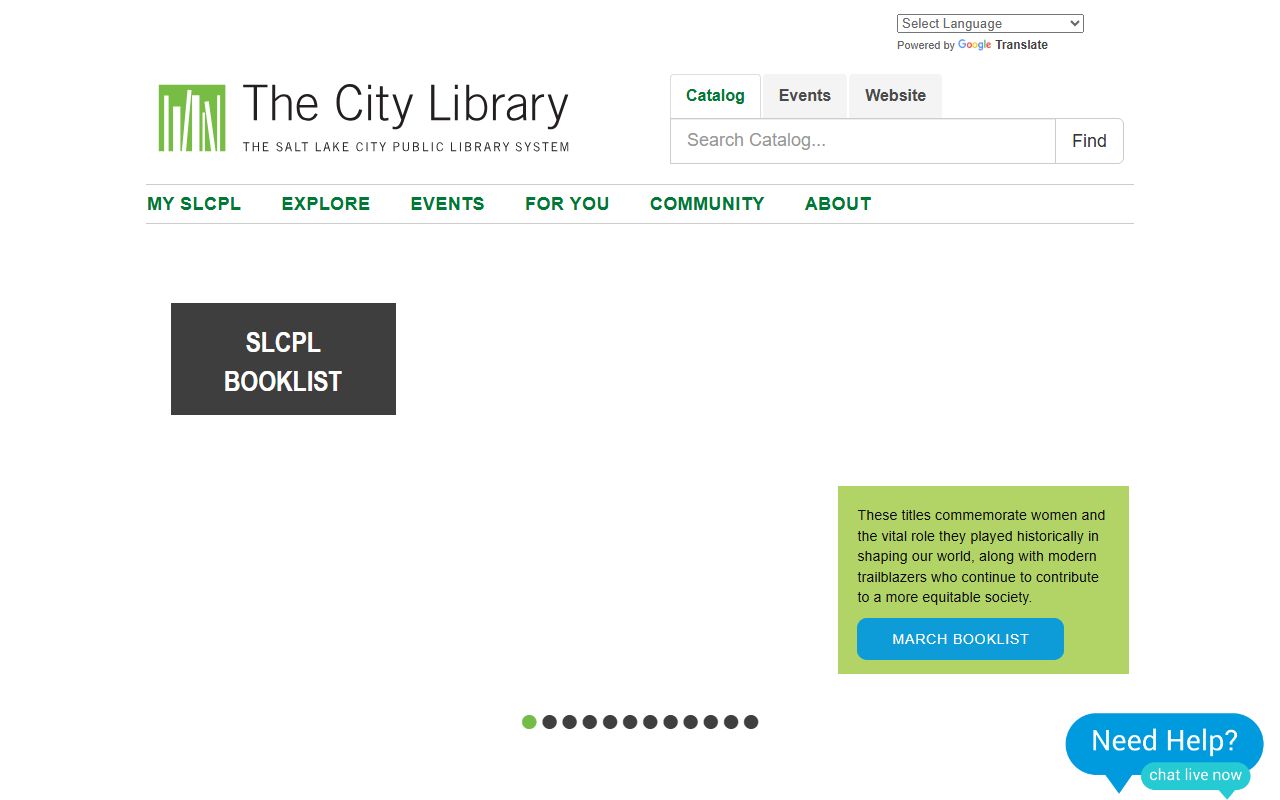
That library collection can turn one name into several usable leads.
Salt Lake City Obituary Records
The Salt Lake City Cemetery is one of the city's strongest obituary sources because it holds more than 120,000 burials dating back to the 1850s. The cemetery office can help with grave locations, burial dates, and interment records. When a notice gives you only a date or a family plot clue, the cemetery can anchor the search. That makes it easier to confirm the person and keep the family line straight.
The Salt Lake City Cemetery page at slc.gov explains the cemetery side of the search, while the city recorder page can help with city records that touch burial grounds and cemetery deeds. The city recorder is not a vital records office, but it can still matter when a death notice leads to burial ground paperwork or older municipal files. Those small records often help explain what happened after the obituary ran.
The cemetery office can turn a short obituary into a confirmed burial date.
The Salt Lake City Cemetery page is the place to check when the burial site matters most.
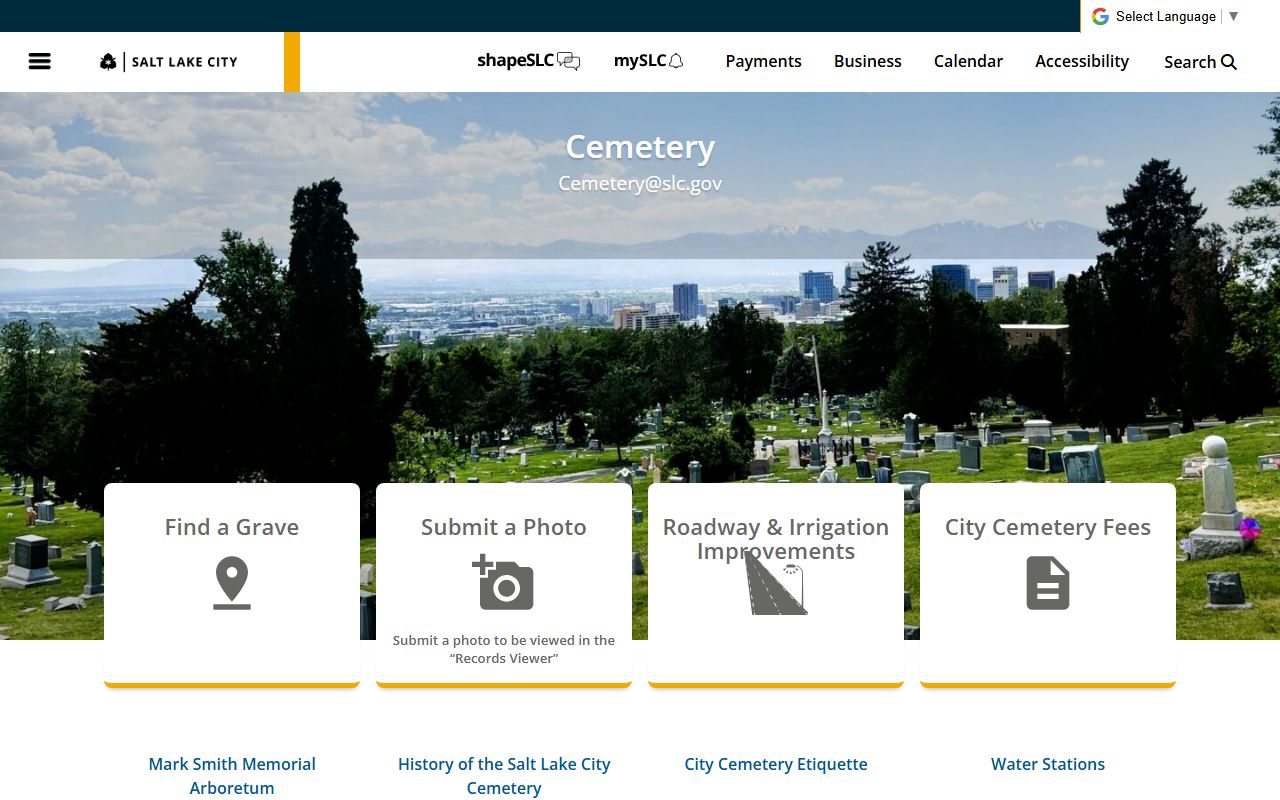
Grave locations and burial dates often give the last missing piece.
Searching Salt Lake City Obituaries
Many Salt Lake City obituary searches begin with Utah Digital Newspapers and the Utah State Archives death certificate index. The newspaper site covers major city titles like the Deseret News and Salt Lake Tribune, while the state index covers 1905 to 1967 and lets you search by name and county. Together, they help you move from a rumor or memory to a dated record.
When you search, keep these details close.
- Full name, including nicknames or maiden names
- Approximate year of death
- Neighborhood or ward in Salt Lake City
- Spouse, parent, or child names
If the notice is older, move from the paper to the burial side. The Utah Cemetery and Burial Database can confirm the cemetery, burial date, and, in many cases, a grave location. That is useful when a newspaper clipping is short or when a family wants to verify a memorial marker. A small set of clues can still produce a clean result if you work the search in stages.
Salt Lake City Obituary Archives
The Utah Division of State History is another important source for Salt Lake City obituary work. The research center at 300 South Rio Grande keeps cemetery data, historical newspapers, manuscripts, photographs, and Utah history publications. Those collections help when a death notice points to a family line but not to a clean certificate number. The state history side can also support a search when the cemetery file and newspaper clipping disagree on a spelling.
Visit history.utah.gov when you need a broader view of the record set. A Salt Lake City obituary may leave out the burial place, but the state history collections can add context from other sources. That matters for older families, pioneer-era graves, and notices that have been clipped or copied many times. The same research center is also the place to think about nearby manuscript material when the obituary itself is only the first clue.
The state history center helps when one source is not enough.
Public Access for Salt Lake City Obituaries
Salt Lake City obituary material is usually open, but each record type has its own line. Under GRAMA, most public records can be inspected unless they are private, protected, or sealed. That means a newspaper obituary, a cemetery card, or a city record may be open even when a related court paper is limited. The point is simple: the trail is often public, but some pieces are trimmed.
Redactions are common in records that include personal numbers, financial data, or information about children. Sealed files are less common, but they can happen. When that happens, the obituary in the newspaper may still be public even if a related city or county document is not. If you need the official death certificate side of the search, the Utah Office of Vital Records at vitalrecords.utah.gov is the statewide source to keep in mind.
Most searches work best when the obituary, the burial, and the certificate line up.
Getting Salt Lake City Obituary Copies
When you need a certified copy of a death record, Salt Lake City residents often end up using a mix of city, county, and state resources. The cemetery office can confirm a burial, the city recorder can point to burial-ground records, and the Utah Office of Vital Records can supply the statewide certificate trail. If the obituary is recent, that certificate is often the cleanest proof of death. If it is old, the cemetery and newspaper record may be enough to keep moving.
For a Salt Lake City obituary search, the most practical order is usually this: check the library, confirm the cemetery, then verify the record with the state certificate system if needed. That order saves time and keeps you from guessing at the wrong person. It also helps when a family remembers a place but not a date. The city's records are small, but they can still answer the question that matters most.
Note: A short notice can still lead to a full record trail if you use the library, cemetery, and state archive tools together.