
Beaver County Obituary Records
Beaver County obituary research works best when you start with the county seat and then move in a steady circle through the clerk, the health department, and the state record tools. That keeps the search local. It also helps when a family only has a rough year or a partial name. Beaver County was established in 1856, and many records connect back to that older county structure. When a notice is thin, the right county file, burial entry, or newspaper clipping can turn a hard search into a usable record trail.
Beaver County Quick Facts
Beaver County Obituary Sources
The Beaver County Clerk/Auditor is the first county office worth checking when a Beaver County obituary search begins with a name or a family line. The office keeps marriage records from 1887 forward and can help researchers sort out a married name, a maiden name, or a place reference that appears in a short notice. That makes it useful even when the death record itself lives elsewhere. A clean county anchor is often enough to keep the search from drifting into the wrong county or the wrong family branch.
The image below comes from the Southwest Utah Public Health Department records page, which is the county certificate path for Beaver County residents and the place that handles death certificate requests for local families.
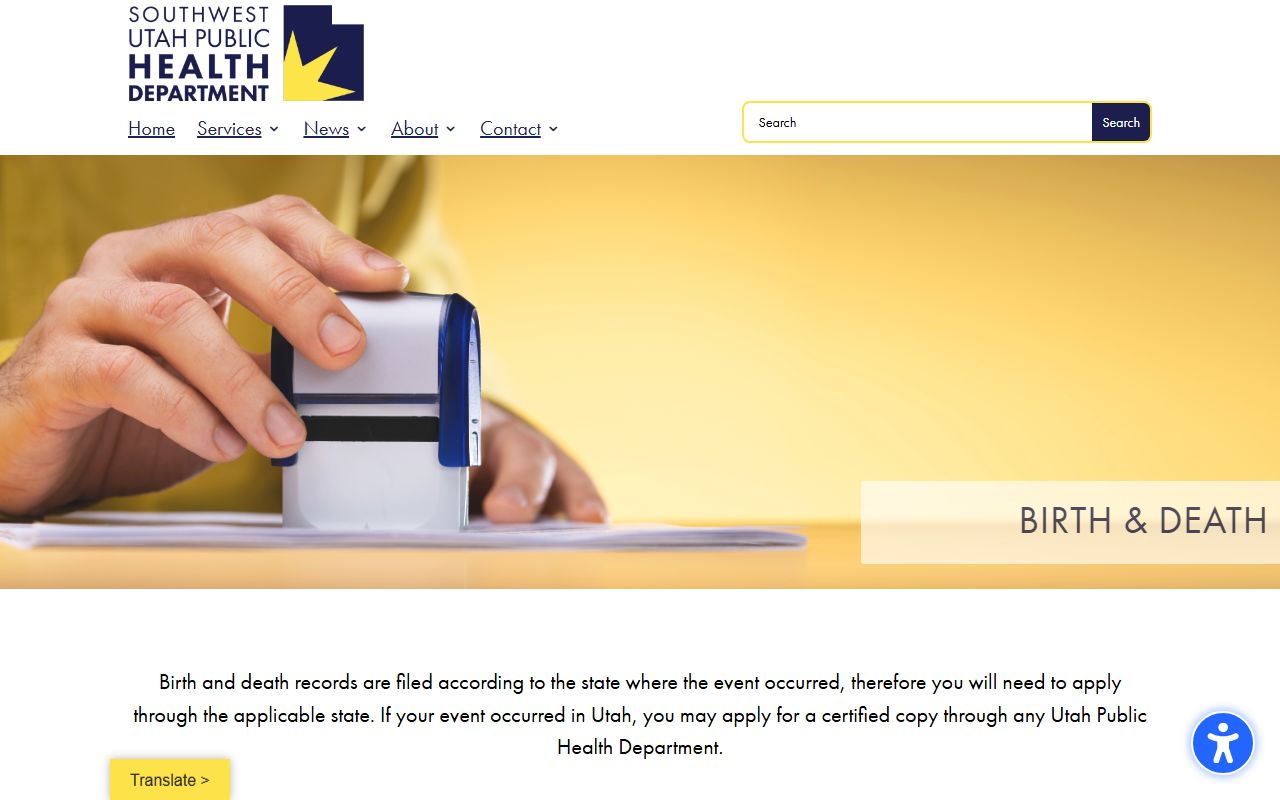
That office matters because Beaver County residents use it for certified death copies. The Beaver office at 75 W 1175 N in Beaver serves the county directly, and the records page explains the request path for in-person, mail, and online work. When a notice points to a recent death, that county office is usually the fastest practical stop.
The Beaver County Recorder is another useful local source. Visit Beaver County Recorder when an obituary includes a home, a parcel, or an estate clue. Recorder files do not replace death records, but they can show how a family handled land or property after a death. That can help confirm the right household and keep one family from being mixed up with another.
Beaver County Obituary Search
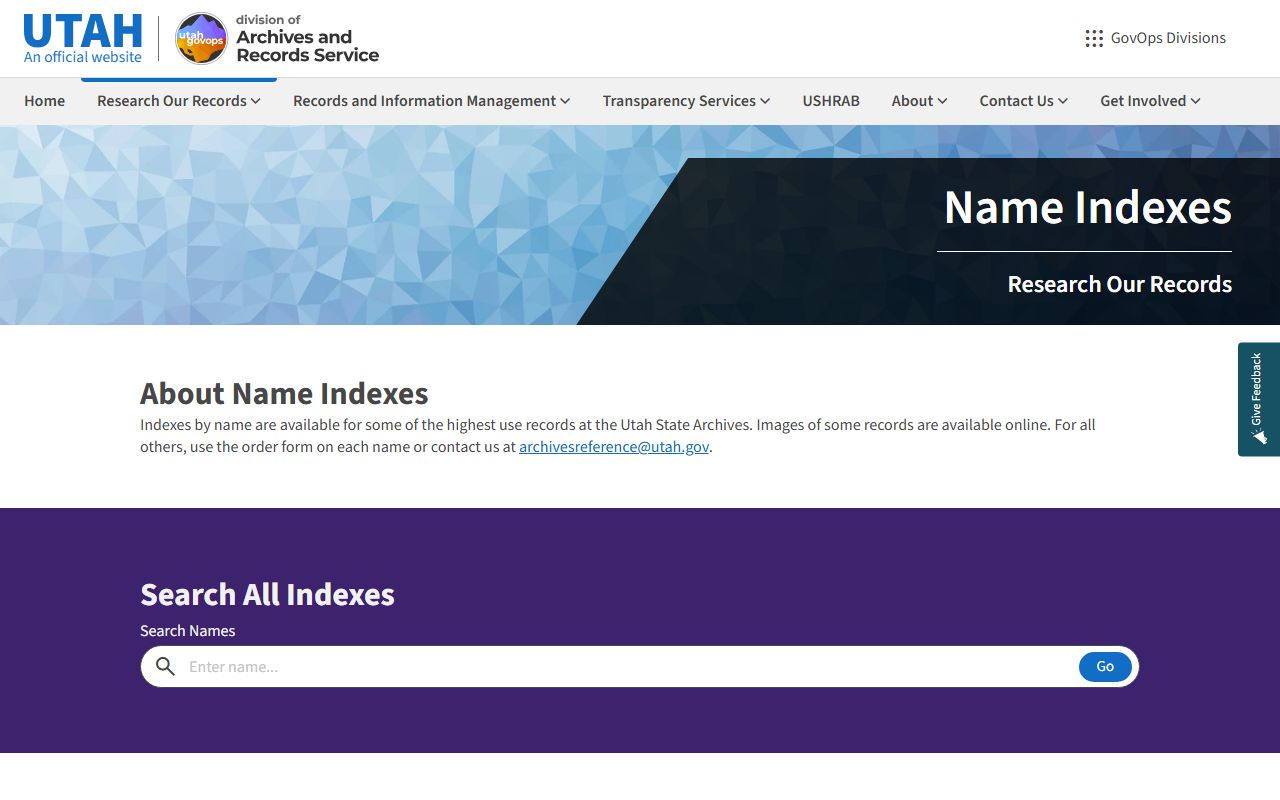
For older notices, the Utah State Archives death certificate index at archives.utah.gov/research/indexes/20842.htm is one of the best statewide checks. It covers Utah death records from 1905 through 1967 and lets you search by name, county, and date. That is useful when a Beaver County family only remembers the year or the town. It is also a fast way to see whether a death is likely to be in the county before you ask for a copy.
Utah Digital Newspapers is the next strong stop. A death notice often appears in print before it shows up in a county file, and the paper version can include a spouse, a church, a funeral home, or a burial place that the certificate leaves out. That extra clue is often what makes the difference when the name is common or the spelling has changed over time. In a county like Beaver, the paper trail can be as important as the official record trail.
The image below comes from the same Utah State Archives death certificate index, which helps match a Beaver County name to a year and a county before a request is sent.
The Utah Cemetery and Burial Database at utahdcc.secure.force.com/burials/ can add another layer when the cemetery is known or suspected. It often gives a burial date, cemetery name, or family connection that helps verify the right person. For families in Beaver County, that is especially valuable when an obituary is brief and the burial record carries the rest of the story.
Beaver County Obituary Records
Beaver County record work often depends on matching a notice to a place. The county clerk can help with marriage records and older county files, while the recorder can help with property and land clues. Those records are not death records on their face, but they often hold the names and locations that make an obituary search usable. If an obituary says a person lived on a certain road or owned a parcel that later changed hands, the county recorder can help explain the next step in the family trail.
Historical research matters here because Beaver County has older county-level records that predate the statewide death system. Before 1905, researchers may need county registers or state archival help to find a death record. That is where the Utah Division of State History and the Utah State Archives become useful. The county may not have the whole answer in one place, but the combined record trail can still lead to a strong match when the search is careful and narrow.
To keep the search efficient, begin with the county name, the person's full name, and one date clue. Then compare the newspaper hit, the burial record, and the county certificate path. That order usually turns a short obituary into a better documented family record.
Public Access for Beaver County Obituaries
Utah's public records law, GRAMA, helps explain why Beaver County obituary research is often open but still not fully simple. Many records are public, but some details can be protected, private, or redacted. That means a newspaper obituary may be easy to read while the related certificate or county file has limited fields. The public part is usually enough to move forward, but the trail can still split across more than one office.
That is where the county and state resources work together. A certificate request may go through the Beaver County health office, while a historical death or burial question may need the state archives or the burial database. Utah Division of State History supports the cemetery side of the search, and the archive index helps with older death records. Used in sequence, those sources give the county search shape without forcing a one-office solution.
The CDC Utah vital records page is a useful reference when a request needs a second check on address or procedure. It is not a substitute for the county office, but it does help verify the statewide framework before a request goes out the door.
Getting Beaver County Obituary Copies
If you need a certified death copy rather than a notice, the Southwest Utah Public Health Department is the main Beaver County route. The county office accepts requests in person, by mail, or through the state ordering system, and it asks for proper identification and proof of relationship when needed. That keeps the request tied to the right person and makes it easier for staff to match the file. The Beaver office is close enough to be practical for local families, which matters when the search has already done the hard part.
Mail requests work best when the information is clean. Use the full name, the approximate date of death, and any county or burial clue that can help narrow the file. If the obituary points to a burial place or a newspaper date first, compare those against the archive index and the burial database before you order. That small step often prevents a mismatch and saves time on the back end.
Beaver County obituary work is strongest when the county clerk, the health department, the state archive, and the newspaper trail all agree. When that happens, the record is usually solid enough to use without doubt.