
Juab County Obituary Records
Juab County obituary research works best when you begin in Nephi and then widen the search in a steady order. The county has an old settlement pattern, a county clerk office with long-running marriage records, and a county-to-state path for death certificates. That means a short notice can still lead to a burial clue or a certified copy if you follow the trail carefully. Start with the name, the year, and the county seat. Then move through the clerk, county recorder, burial database, and state archive sources until the facts line up.
Juab County Quick Facts
Juab County Obituary Sources
The Juab County Clerk is the first county stop when a search begins with a family name tied to Nephi or another Juab County town. The clerk office maintains marriage records from 1887 forward, and those records can help sort out a married name, a maiden name, or a family line that is hard to follow in a short notice. That matters in a county with a deep pioneer history and a lot of family movement across Utah.
The image below comes from the Juab County Clerk page, which is the county anchor many Juab County obituary searches start with.
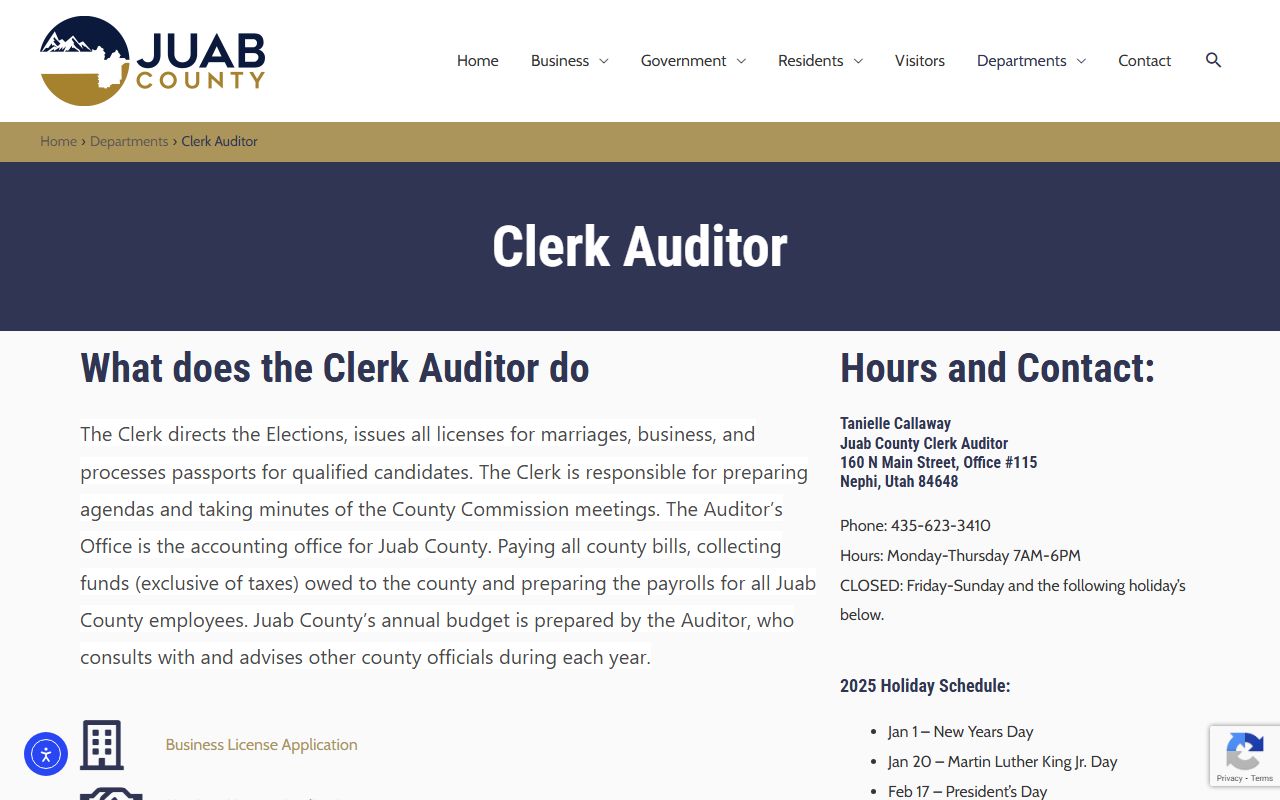
That clerk page is useful when a notice gives you a family clue but not the exact office that owns the record. It gives the search a fixed place on the map before you move to death certificates or burial files.
Juab County also depends on the Utah County Health Department for death certificates, with the state office as another backup. That is the right route when a notice is only the first clue and the family needs an official record for a file, an estate, or a memorial paper trail.
Juab County Obituary Records
The county recorder is not a death office, but it still matters in obituary research. The Juab County Recorder keeps land and property records that can show what happened to a home, a lot, or a family tract after a death. That kind of record can be the missing step when a notice mentions a place but not the legal trail. A deed or property transfer can also reveal an heir or confirm a household name.
The image below comes from the Juab County Recorder page, which is the county source most likely to help when an obituary leads to property or estate questions.
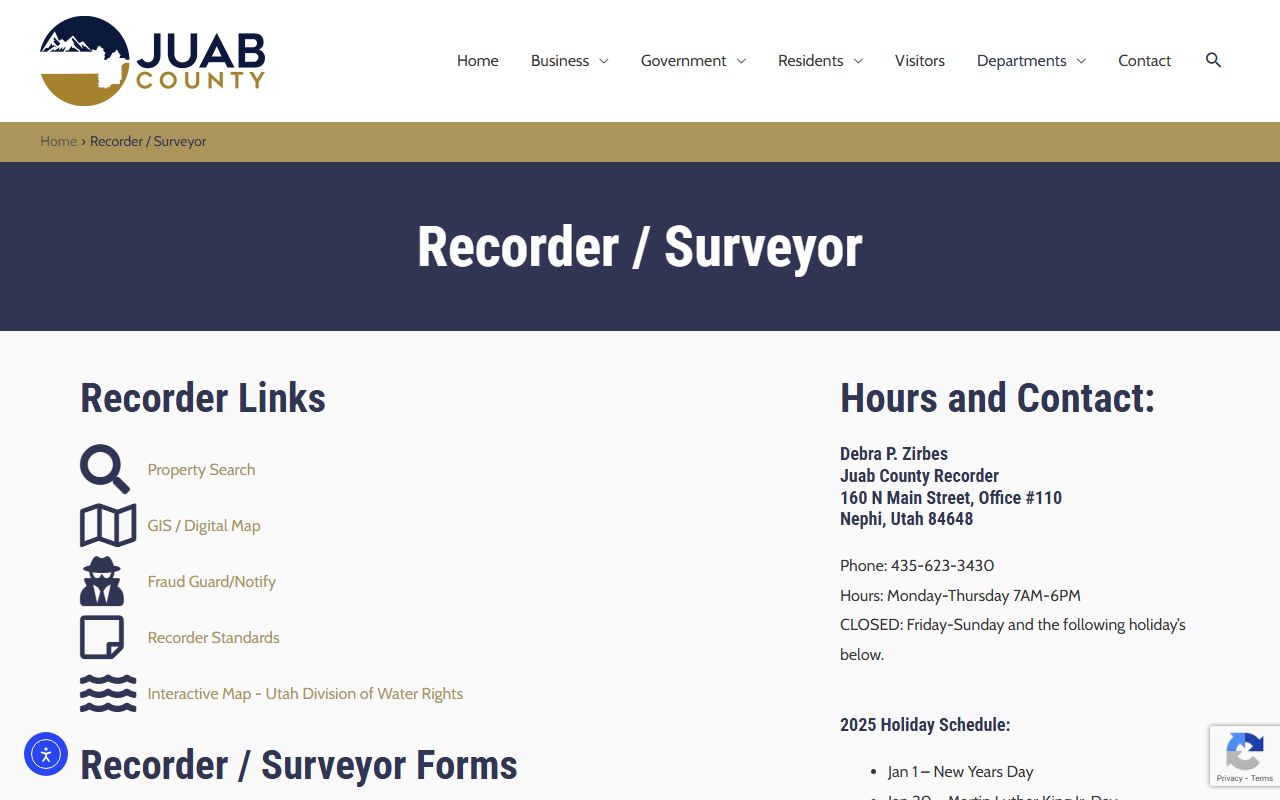
That recorder page matters because Juab County families often leave a paper trail through property and land records. A simple obituary may not mention that trail, but the recorder can help explain how the family settled the estate.
For older searches, the Utah State Archives death certificate index at archives.utah.gov/research/indexes/20842.htm gives you a statewide way to test a name, a year, and a county before you request a copy. It covers Utah death records from 1905 forward. When you want the printed notice itself, Utah Digital Newspapers can surface death notices, funeral notices, and short obituary items that never made it into a county file.
Finding Juab County Obituaries
The Utah Cemetery and Burial Database is especially helpful in Juab County because a burial record can be more detailed than a short obituary. It may show the cemetery name, burial date, and family ties that make the rest of the search easier. That is useful in a county with historic burial grounds and a long local family history, where the burial side can be the clearest clue in the trail.
Juab County searches often work better when you narrow the facts before you order anything. Keep the name, the rough year, and the burial place close at hand. If the surname is common, add a spouse or parent. If the notice is thin, the cemetery file can still separate one person from another. The county health path and the state archive path then become much easier to use.
- Full name of the deceased, including maiden names if needed
- Approximate death year or burial year
- Nephi, Mona, or cemetery clue in Juab County
- Spouse, parent, or child names that can separate similar people
Those details keep the newspaper search focused and help when you compare the obituary to the burial record and the certificate record.
Juab County Public Access
Juab County obituary research is shaped by Utah public-record rules, especially GRAMA. In practice, that means many records are open to the public, but some details can still be private, protected, or redacted. A newspaper obituary may be public, a burial record may be public, and a certificate copy may require a tighter request path. The rule is simple, but the trail can still split across offices.
The state office at Utah Office of Vital Records is the backup when the Utah County health path is not enough or when a statewide request makes more sense. That can help when you need a certified death copy rather than a notice. Utah also points researchers to the federal guidance on the CDC Utah vital records page, which confirms the state contact and basic request framework for Utah records.
Most Juab County searches work best when you start with a public notice, then move to the official record. That keeps the search efficient and avoids ordering the wrong file. It also helps when a family remembers the burial site first and the death date second.
Juab County Copy Requests
If you need a certified death record rather than a notice, use the Utah County Health Department path that serves Juab County and the state office when needed. The county and state systems work together, and both can help when a family needs proof for estate work, memorial records, or a formal file. The right request starts with the exact name used in the obituary, then adds the county or burial clue if the search needs more focus.
Mail requests are easier when they are plain. Send the completed form, a clear ID copy, proof of relationship if it applies, and payment by the method the office accepts. If the first pass does not settle the question, search again with a different year range or a different spelling. Juab County records can still be exact even when the first source is not.
Note: Bring the smallest set of facts that still identifies the person. Simple requests are easier to process and less likely to come back for correction.
More Juab County Research
Juab County has enough local and state support to make obituary work practical even when the first search comes up short. Nephi is the county seat, so the record trail is centered enough to stay manageable. That helps when a family needs to move from a name to a certificate without jumping across Utah. The clerk, recorder, burial database, and newspaper index all serve different parts of that trail.
If the first pass does not settle the question, search the newspaper again with a different year range and then check the burial side one more time. The result often appears after the second or third pass, not the first. That is normal for obituary work, especially when a name is common or the notice was brief. Juab County records are good enough to support that kind of careful search.